
Don’t just be a tourist — be a real explorer. Start exploring now.
Plan Smarter: The Only East Sikkim Tourism Guide You’ll Ever Need.
Struggling with East Sikkim Tourism planning? This guide reveals secret spots, Silk Route hacks, permits & smart travel tips.—read before you plan!
Introduction to East Sikkim Tourism: Where Mountains Feel Truly Alive
East Sikkim tourism is where your idea of Sikkim completely transforms—from crowded viewpoints and routine sightseeing to a raw, high-altitude Himalayan experience that feels untouched, cinematic, and deeply immersive.
While most travelers limit themselves to Gangtok, the real magic begins when you move beyond it—into winding mountain roads, frozen lakes, and quiet valleys that seem almost unreal.
Read More
From the shimmering waters of Tsomgo Lake to the historic Indo-China border at Nathula Pass, and the dramatic zig-zag roads of Zuluk along the Old Silk Route, East Sikkim offers a rare mix of natural beauty, adventure, and cultural depth.
Every turn reveals something unexpected—snow-covered landscapes, high-altitude lakes, and panoramic views of the Eastern Himalayas that stay with you long after the trip ends.
What makes East Sikkim tourism truly special is not just the destinations, but the journey itself. It’s for travelers who want more than just a checklist—it’s for those who want to feel the mountains, experience silence, and discover places that still remain hidden from mass tourism.
If you’re planning your trip, this guide will help you explore East Sikkim the right way—with the best routes, must-visit places, permits, and insider tips to make your journey smooth, memorable, and truly different.
What Makes East Sikkim a Must-Visit Destination?
East Sikkim tourism stands out because it offers a perfect blend of natural beauty, high-altitude adventure, and cultural depth—all within a compact region. From glacial lakes to mountain passes, every location feels distinct and memorable.
❄️ High-Altitude Experiences You Won’t Find Everywhere
Unlike many hill destinations, East Sikkim gives you access to extreme-altitude landscapes:
- Snow-covered terrain in winter
- Frozen lakes like Tsomgo
- The Indo-China border at Nathula Pass
👉 It’s not just sightseeing—it’s a real Himalayan experience
🛣️ The Legendary Silk Route Drive
One of the biggest highlights of East Sikkim tourism is the Old Silk Route, especially:
- Zuluk’s iconic zig-zag roads
- Scenic drives with 100+ hairpin bends
- Sunrise views over Kanchenjunga
👉 This is a dream for road trip lovers and photographers
🏔️ Less Crowded, More Authentic
Compared to North Sikkim, East Sikkim is:
- Less commercialized
- More peaceful
- Rich in raw, untouched landscapes
👉 Perfect for travelers who want silence, solitude, and authenticity
📍 Unique Border Tourism Experience
East Sikkim is one of the few places in India where you can:
- Visit an active international border (Nathula Pass)
- Experience army-controlled zones
- Feel the geopolitical significance of the region
👉 This adds a completely different dimension to your trip
📸 Diverse Landscapes in a Single Trip
Within just a few days, you can experience:
- Lakes
- Valleys
- Snowfields
- Mountain passes
- Forest roads
👉 Very few destinations offer this level of variety so quickly
💡 Final Insight (Expert View)
East Sikkim tourism is not just about “places to visit”—it’s about how the journey makes you feel. The roads, the silence, the altitude, and the raw landscapes combine to create an experience that feels far more personal and immersive than typical tourist destinations.
Top Places to Visit in East Sikkim
Sikkim is best explored region by region, because each part offers a completely different experience—urban charm, raw Himalayan beauty, spiritual depth, or offbeat peace. This structured approach helps you cover the best places in Sikkim tourism without confusion.
List Of east sikkim tourist spots
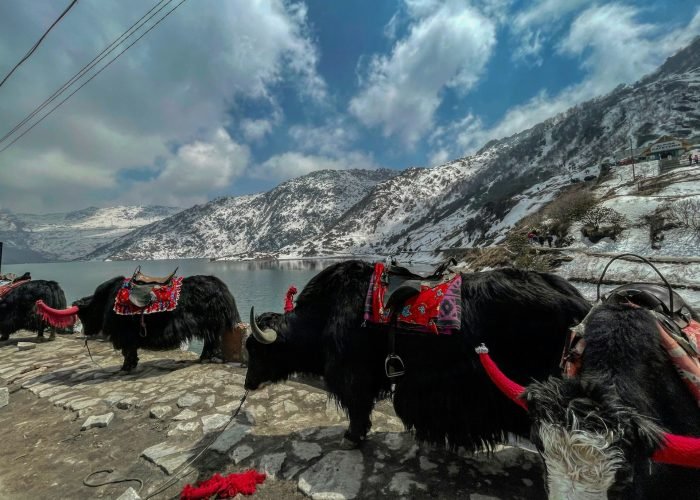
🌊 Tsomgo Lake (Changu Lake)
Located at around 12,300 ft, Tsomgo Lake is one of the most iconic attractions in East Sikkim.
✅Known for its changing colors across seasons.
✅Completely frozen during winter.
✅Popular for yak rides and snow experiences
👉 A must-visit for first-time travelers
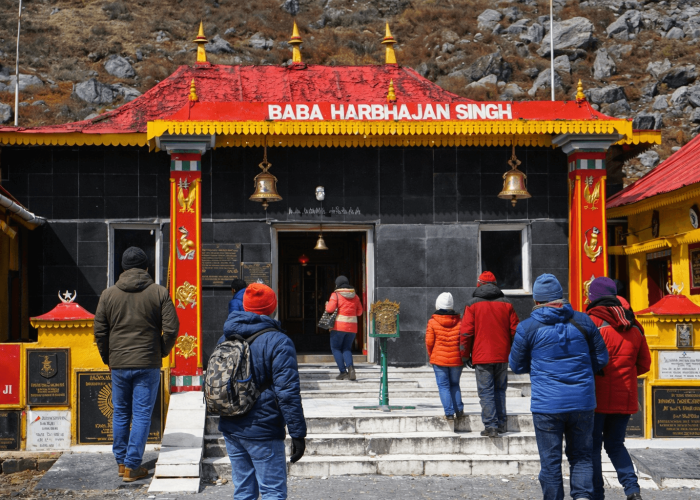
🙏 Baba Harbhajan Singh Mandir
A unique spiritual site dedicated to an Indian soldier believed to protect the region.
✅Deep emotional and cultural significance.
✅Located on the way to Nathula Pass
✅Surrounded by scenic mountain views
👉 A place where faith meets patriotism
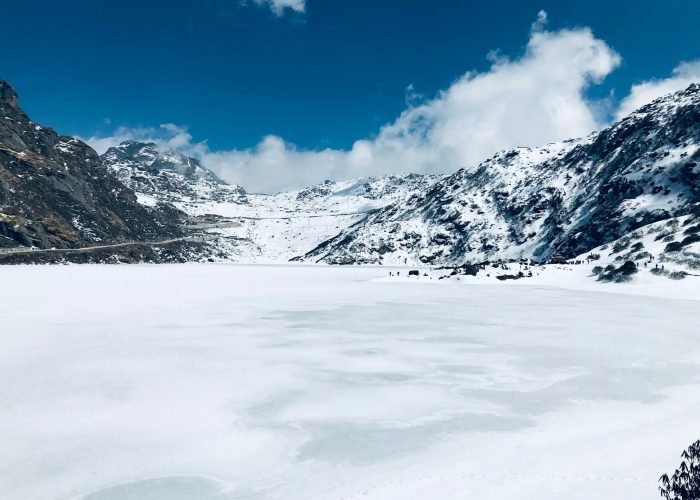
🏔️ Nathula Pass
Situated on the Indo-China border at 14,140 ft, Nathula Pass offers a rare geopolitical experience.
✅One of the highest motorable roads in India
✅Requires a special permit
✅Snow-covered for most of the year
👉 Perfect blend of adventure + history
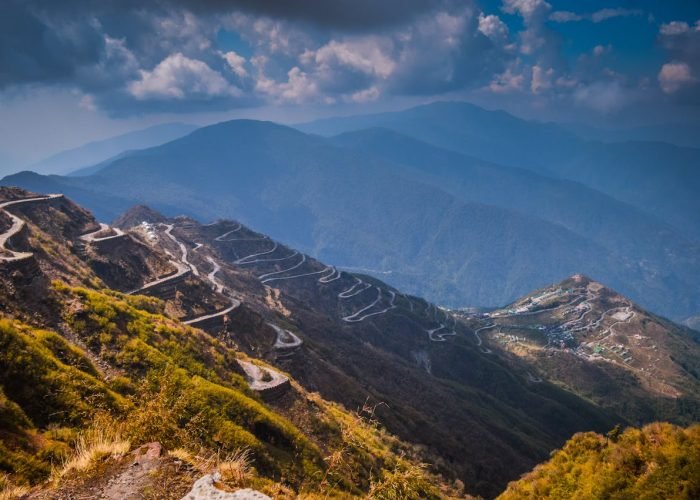
🛣️ Zuluk (Old Silk Route)
A small village famous for its dramatic zig-zag roads..
✅Over 100 hairpin bends
✅Historic part of the Old Silk Route
✅Incredible sunrise views of Kanchenjunga
👉 A paradise for road trip enthusiasts
🏜️ Gnathang Valley
Often called the “Ladakh of East Sikkim,” this valley offers a completely different landscape..
✅Wide, barren terrain
✅Heavy snowfall in winter
✅Peaceful and less explored
👉 Perfect for those seeking offbeat destinations
🌄 Lungthung & Thambi Viewpoint
These viewpoints offer some of the best sunrise views in Sikkim.
✅Overlooking the Zuluk loops
✅Clear view of Kanchenjunga range
✅Magical early morning experience
👉 A must for sunrise lovers & photographers.
🐘 Kupup Lake (Elephant Lake)
Named for its elephant-like shape, this lake is a hidden gem near Nathula.
✅Less crowded than Tsomgo
✅Stunning aerial-like views from above
✅Peaceful and untouched atmosphere
👉 Ideal for photography lovers
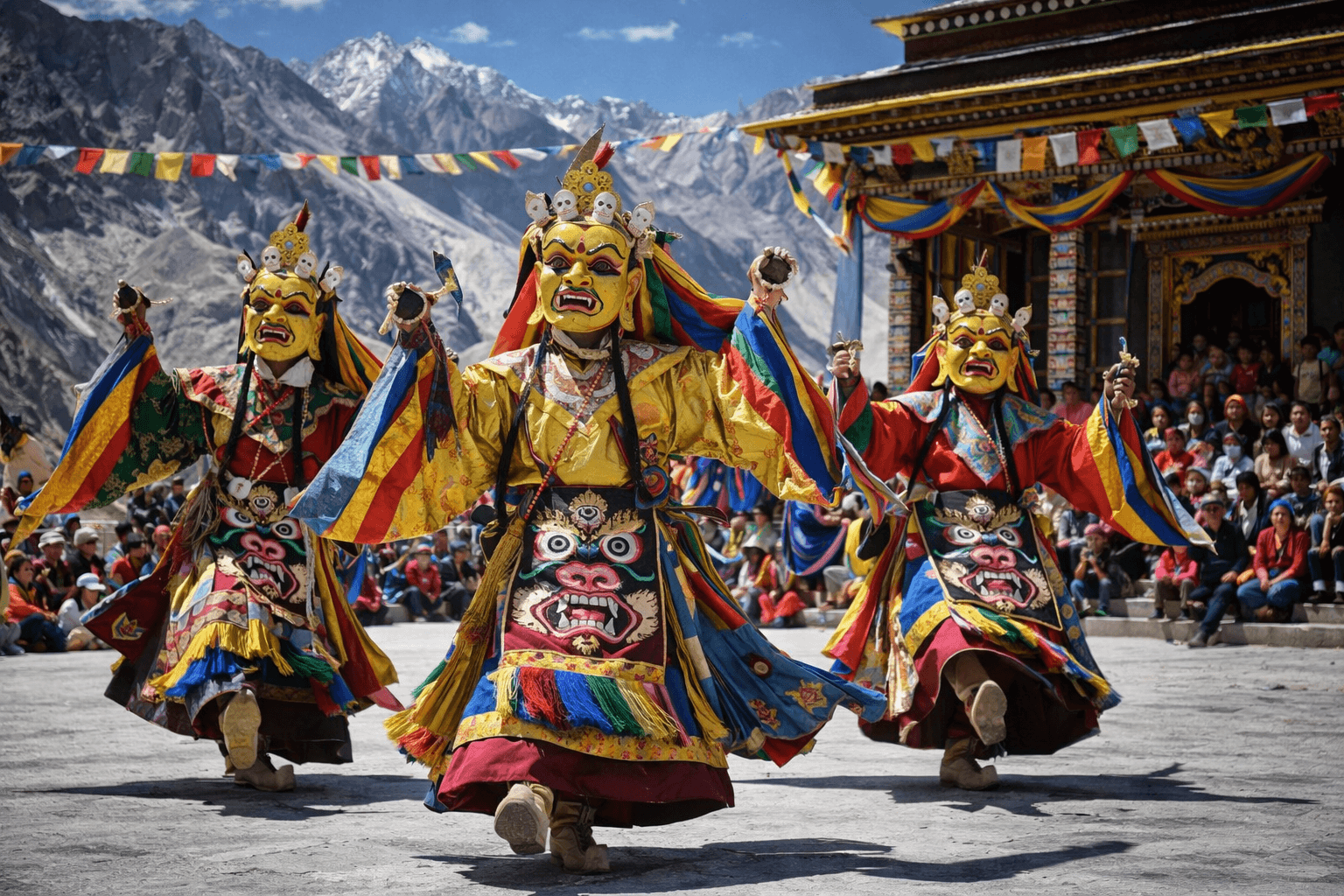
What Are the Famous Festivals of Sikkim? Complete Guide
Food Culture of Sikkim
What Food is Famous in Sikkim? Complete Travel Food Guide.
Discover what food is famous in Sikkim with this complete travel food guide. Explore must-try dishes like momos, thukpa, gundruk, phagshapa, and sel roti, along with authentic Himalayan flavors every traveler should experience.
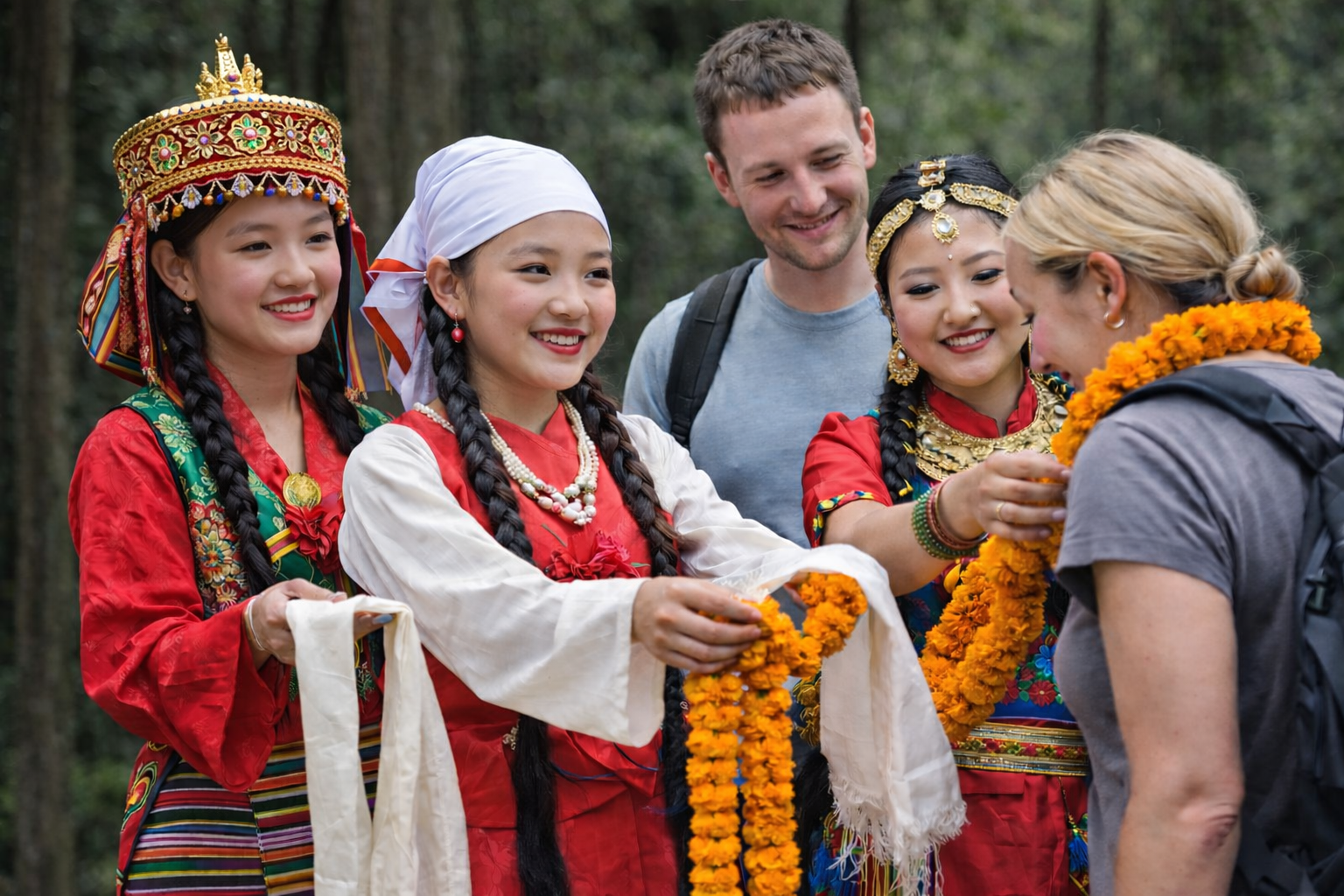
Sikkim Culture Explained: Traditions, People & Festivals Guide
Discover Sikkim culture explained in this complete guide, covering traditions, local people, and vibrant festivals like Losoong and Saga Dawa. Explore the unique Himalayan lifestyle and rich cultural heritage of Sikkim.
Best Time to Visit East Sikkim
East Sikkim (especially Gangtok, Tsomgo Lake, and Nathula Pass) can be visited throughout the year, but the experience changes significantly with seasons. Choosing the right time ensures better views, smoother travel, and a more enjoyable trip.
🌸 March to May (Best Overall Time)
Why visit:
- Pleasant weather (10°C–20°C)
- Clear views of Kanchenjunga
- Blooming flowers and greenery
👉 Best for first-time visitors, sightseeing, and photography
🍁 October to November (Clear Views & Stable Weather)
Why visit:
- Crystal-clear mountain visibility
- Less humidity and minimal rainfall
- Smooth travel conditions
👉 Best for mountain views and peaceful travel
❄️ December to February (Snow Experience)
Why visit:
- Snowfall at Tsomgo Lake and Nathula Pass
- Magical winter landscapes
Challenges:
- Cold weather (can go below 0°C)
- Road closures possible due to snow
👉 Best for snow lovers and adventure seekers
🌧️ June to September (Monsoon Season)
Why visit:
- Lush green landscapes
- Fewer crowds and lower prices
Challenges:
- Heavy rainfall and landslides
- Limited visibility
👉 Not ideal for sightseeing but okay for budget travelers with flexibility
🎯 Final Insight
- Best months overall: March–May & October–November
- Best for snow: December–February
- Avoid peak monsoon: July–August
👉 If you want the perfect East Sikkim experience—clear views, smooth travel, and great weather—spring and autumn are your best choices.
Best Things to Do in East Sikkim
East Sikkim is the gateway to Sikkim tourism, offering the perfect mix of city life, adventure, and scenic beauty. Centered around Gangtok, this region is ideal for first-time travelers who want easy access + maximum experiences.
Here are the best things to do in East Sikkim:
🚶 Explore MG Marg (Heart of Gangtok)
- Walk on a clean, vehicle-free street
- Enjoy cafes, restaurants, and shopping
- Experience local vibe and nightlife
👉 Best place for evening relaxation
🚠 Ride the Gangtok Ropeway
- Aerial view of Gangtok city
- Stunning views of hills and valleys
👉 One of the best viewpoints without trekking
🏞️ Visit Tsomgo Lake (Changu Lake)
- High-altitude glacial lake
- Try yak rides and snow activities
👉 A must-visit attraction in East Sikkim
❄️ Experience Nathula Pass (Indo-China Border)
- Visit one of the highest motorable roads
- Experience Indo-China border
👉 Unique mix of adventure + history
🏔️ Visit Baba Mandir
- Famous army shrine dedicated to Baba Harbhajan Singh
- Unique spiritual and military significance
👉 A different kind of spiritual experience
🌄 Enjoy Sunrise & Viewpoints
- Visit Tashi View Point, Ganesh Tok, Hanuman Tok
- Witness Kanchenjunga on clear days
👉 Best for photography and peaceful moments
🧘 Visit Monasteries
- Rumtek Monastery (largest in Sikkim)
- Enchey Monastery
👉 Experience calm and spiritual energy
🛍️ Try Local Shopping & Food
- Buy handicrafts, woolens, souvenirs
- Try local food: momos, thukpa
👉 Adds local flavor to your trip
Take a Day Trip to Zuluk (Old Silk Route)
- Famous for zig-zag mountain roads
- Stunning sunrise views from Thambi View Point
👉 One of the most underrated experiences in East Sikkim
☕ Explore Hidden Cafes in Gangtok
- Cozy cafes with mountain views
- Perfect for relaxing and working
👉 Best for chill vibes + solo travelers
🌄 Visit Hanuman Tok & Ganesh Tok (Peaceful Spots)
- Less crowded compared to main viewpoints
- Amazing panoramic views
👉 Ideal for peace + photography
🌿 Visit Flower Exhibition Centre (Seasonal)
- Showcases Sikkim’s rich flora
- Best during spring season
👉 Great for photography and nature lovers
🎯 Final Insight
Most travelers only cover basic sightseeing in East Sikkim—but the real experience lies in:
- Exploring hidden routes like Zuluk
- Slowing down in cafes and viewpoints
- Mixing culture, nature, and adventure
👉 If you go beyond the checklist, East Sikkim becomes more than a destination—it becomes an experience you remember long after the trip ends.
How to Reach East Sikkim
East Sikkim, with Gangtok as its hub, is well connected by air, rail, and road. The key is choosing the fastest and most convenient route based on your location and budget.
✈️ By Air (Fastest Option)
- Pakyong Airport (PYG) – Closest airport (≈30 km from Gangtok)
- Bagdogra Airport (IXB) – Major airport (≈125 km from Gangtok)
From Airport to Gangtok:
- Private taxi (4–5 hrs from Bagdogra)
- Shared cabs available
👉 Bagdogra is the most reliable option with more flights
🚆 By Train (Budget-Friendly)
- Nearest railway station: New Jalpaiguri (NJP)
- Distance to Gangtok: ~120 km
From NJP to Gangtok:
- Private cab (4–5 hrs)
- Shared jeep (budget option)
👉 Best for affordable long-distance travel
🚗 By Road (Most Popular Route)
Sikkim is well connected by road from:
- Siliguri
- Darjeeling
- Kalimpong
Transport options:
- Private taxi
- Shared jeep (budget option)
- Rental cars
👉 For a smooth and reliable journey, you can book vehicles through EasoRide
👉 The drive along the Teesta River is one of the most scenic parts of the journey
🧭 Route Summary (Quick Understanding)
- Airport → Bagdogra → Gangtok (4–5 hrs)
- Train → NJP → Gangtok (4–5 hrs)
- Road → Siliguri/Darjeeling → Gangtok
👉 Almost all routes merge into a scenic mountain drive to Gangtok
⚠️ Important Travel Tips
- Start early to avoid traffic and landslides
- Keep buffer time (mountain delays are common)
- Pre-book your cab during peak season
- Carry ID proof (checkpoints may ask)
🎯 Final Insight
Reaching East Sikkim is straightforward—the real journey begins after you land or arrive at NJP.
👉 The road trip to Gangtok, especially along the Teesta River, is not just transportation—it’s your first real experience of Sikkim’s beauty.
Where is East Sikkim Located?
East Sikkim is one of the four administrative regions of Sikkim, situated in the eastern part of the state in Northeast India. It is the most accessible and developed region, making it the starting point for most travelers.
📍 Geographic Location
- Located in Northeast India
- Shares borders with:
- China (Tibet) in the north-east
- Bhutan in the east
- West Bengal in the south
👉 East Sikkim is strategically important due to its international borders
🏙️ Capital & Major Hub
- Gangtok is the capital of Sikkim
- Serves as the main entry and tourist hub
- Base point for:
- Tsomgo Lake
- Nathula Pass
- North Sikkim tours
👉 Almost every Sikkim trip starts from East Sikkim (Gangtok)
🗺️ Distance & Connectivity
- Approx distance from:
- Bagdogra Airport → 120–125 km
- NJP Railway Station → 120 km
- Travel time: 4–5 hours by road
👉 The journey follows the scenic Teesta River route
 Why Location Matters for Travelers
East Sikkim’s location makes it:
- The gateway to Sikkim tourism
- The most well-connected region
- The base for exploring other regions
👉 Understanding this helps you plan your entire Sikkim itinerary more efficiently
🎯 Final Insight
East Sikkim is not just a location—it’s the entry point to the entire Sikkim experience.
- Geographically strategic
- Logistically convenient
- Tourism-focused
👉 That’s why every smart Sikkim itinerary begins here—because East Sikkim connects everything.
Why is East Sikkim Famous for Tourism?
East Sikkim tourism is famous because it offers a rare combination of high-altitude adventure, scenic diversity, and unique border experiences—something very few destinations in India can match. It’s not just about visiting places, but about experiencing a completely different side of the Himalayas.
🌄 1. Home to Iconic High-Altitude Attractions
East Sikkim is known for some of the most famous locations in Sikkim:
- Tsomgo Lake (glacial lake experience)
- Nathula Pass (Indo-China border)
- Baba Harbhajan Singh Mandir
- Kupup Lake
 These places give a true high-altitude Himalayan feel
🛣️ 2. The Legendary Old Silk Route Experience
East Sikkim is famous for the historic Old Silk Route, especially:
- Zuluk’s iconic zig-zag roads
- Scenic mountain drives with 100+ turns
- Sunrise views over Kanchenjunga
👉 A paradise for road trip lovers and bikers
❄️ 3. Snow & Extreme Weather Experience
Unlike many tourist places, East Sikkim offers:
- Heavy snowfall in winter
- Frozen lakes
- Harsh, raw mountain climate
👉 This makes it a top destination for snow lovers
🏔️ 4. Less Crowded, More Authentic
East Sikkim tourism is still:
- Less commercialized than North Sikkim
- More peaceful and untouched
- Rich in raw, natural beauty
👉 Ideal for travelers seeking silence, solitude, and real mountain vibes
🌍 5. Unique Border Tourism (Rare in India)
One of the biggest reasons East Sikkim is famous:
- You can visit Nathula Pass, an active Indo-China border
- Experience army presence and restricted zones
- Feel the geopolitical importance of the region
👉 This adds a unique and unforgettable dimension
📸 6. Diverse Landscapes in One Trip
Within a short journey, you get:
- Lakes
- Valleys
- Snowfields
- Mountain passes
- Forest routes
👉 Very few places offer this variety in such a compact region
🎯 Expert Insight
East Sikkim tourism is famous not just because of its destinations, but because of the experience it delivers—the roads, the altitude, the silence, and the sense of discovery. It feels less like a typical trip and more like a journey into the untouched Himalayas.
Permits for Protected and Restricted Areas of East Sikkim
Traveling in East Sikkim (especially beyond Gangtok) requires mandatory permits, as many areas lie close to the Indo-China (Tibet) border. These permits ensure security, safety, and environmental protection.
Here’s a clear breakdown:
🧾 1. Protected Area Permit (PAP) – Most Important
Required for visiting key attractions in East Sikkim:
- Tsomgo Lake (Changu Lake)
- Nathula Pass
- Baba Mandir
Key Rules:
- Mandatory for Indian and foreign tourists
- Must be arranged through a registered travel operator
- Cannot be applied individually
Documents Required:
- Government ID (Aadhaar / Passport / Voter ID)
- Passport-size photos
👉 Without PAP, you cannot access these locations
🌍 2. Special Rules for Foreign Tourists
Foreign nationals must follow stricter rules:
- Need an Inner Line Permit (ILP) to enter Sikkim
- Cannot visit Nathula Pass
- Limited access in certain border areas
👉 Travel is more restricted due to security sensitivity
🚫 Restricted Access Areas (Important)
- Nathula Pass → Only Indian citizens allowed
- Permits are limited per day
- Access depends on weather and army clearance
👉 Even with permits, entry is not guaranteed daily
🤝 Why You Should Book Through a Travel Agency
- Permits are issued only via registered operators
- Agencies handle:
- Documentation
- Submission
- Approval process
👉 Booking with a trusted operator like EasoTrip ensures fast, hassle-free permit processing
⚠️ Important Permit Tips
- Apply at least 1 day in advance
- Carry original ID during travel
- Permits are checked at multiple checkpoints
- Weather conditions can affect approval
🎯 Final Insight
Permits in East Sikkim are not a barrier—they’re a necessary system for safety and preservation.
- PAP → Required for Tsomgo, Nathula, Baba Mandir
- ILP → Required for foreign tourists entering Sikkim
👉 If you plan properly (with a reliable operator), permits become easy and seamless, allowing you to enjoy the best of East Sikkim without stress.
First-Time Visitor Guide to East Sikkim
East Sikkim is the perfect starting point for your Sikkim journey. With Gangtok as the hub, it offers a balanced mix of comfort, accessibility, and iconic experiences. But to truly enjoy it, you need to understand how travel works here.
🌄 What Makes East Sikkim Ideal for First-Time Visitors
- Well-developed infrastructure
- Clean and organized environment
- Easy access to major attractions
- Mix of city + nature + adventure
👉 East Sikkim gives you a complete introduction to Sikkim tourism
🗺️ Best Beginner-Friendly Itinerary
3–4 Days Ideal Plan:
- Day 1: Arrive in Gangtok + MG Marg
- Day 2: Tsomgo Lake + Baba Mandir (+ Nathula if open)
- Day 3: Local sightseeing (viewpoints, monasteries)
- Day 4: Departure
👉 Covers the most important experiences without rushing
🧾 Permits You Must Know
- Required for:
- Tsomgo Lake
- Nathula Pass
- Baba Mandir
👉 Must be arranged through a registered travel agency like EasoTrip
👉 Carry ID proof and passport-size photos
🚗 Transportation Reality
- No Uber/Ola
- You’ll rely on:
- Private cabs
- Shared taxis
👉 For a smooth experience, use trusted services like EasoRide
👉 Expect long but scenic drives
⚠️ Common Mistakes to Avoid
- Overpacking your itinerary
- Ignoring permits
- Booking random agents
- Underestimating travel time
👉 Keep your plan simple and structured
🎯 Final Insight
For first-time visitors, East Sikkim offers the perfect balance:
- Easy travel
- Iconic attractions
- Comfortable stay
- Scenic beauty
👉 If you plan it right, East Sikkim becomes the foundation of an unforgettable Sikkim experience.
Travel Tips for East Sikkim
East Sikkim (Gangtok + nearby attractions) is easy to travel but requires smart planning. Small mistakes can lead to delays, permit issues, or discomfort—especially in the mountains.
Here are practical, experience-driven travel tips:
🧾 1. Don’t Ignore Permits
- Required for Tsomgo Lake, Nathula Pass, Baba Mandir
- Must be arranged via a registered operator (like EasoTrip)
👉 Without permits, you cannot access key attractions
🚗 2. Plan Transportation in Advance
3–4 Days Ideal Plan:
- Day 1: Arrive in Gangtok + MG Marg
- Day 2: Tsomgo Lake + Baba Mandir (+ Nathula if open)
- Day 3: Local sightseeing (viewpoints, monasteries)
- Day 4: Departure
👉 Covers the most important experiences without rushing
🧳 3. Pack for Changing Weather
- Carry warm clothes in all seasons
- Gloves, cap, sunglasses for high altitude
👉 Weather changes quickly—even in summer
⏱️ 4. Start Early for Sightseeing
- Best visibility in the morning
- Avoid traffic and weather issues
👉 Especially important for Nathula & Tsomgo trips
💧 5. Stay Hydrated & Go Slow
- High altitude can cause mild discomfort
- Drink water and avoid overexertion
👉 Take it slow—don’t rush
🍜 6. Be Careful with Food & Water
- Prefer freshly cooked food
- Drink bottled or filtered water
👉 Try local food, but start light
🏨 7. Choose Stay Location Smartly
- Stay near MG Marg for convenience
- Choose mountain-view rooms for better experience
👉 Location affects your daily travel ease
📶 9. Network & Connectivity
- Network is stable in Gangtok
- Weak or no signal in higher areas
👉 Download maps and keep offline info
⚠️ Avoid Common Tourist Mistakes
- Don’t overpack your itinerary
- Don’t trust random agents
- Don’t ignore travel time
- Don’t expect fast travel (mountain roads)
👉 Keep your plan simple and realistic
🎯 Final Insight
Traveling in East Sikkim is smooth if you follow a few core rules:
- Plan permits early
- Start your days early
- Keep your itinerary simple
- Choose reliable services
👉 Do this right, and East Sikkim gives you a stress-free, scenic, and perfectly balanced Himalayan experience.
Explore Travel Styles in East Sikkim: Honeymoon, Solo, Family & Group Experiences
East Sikkim (centered around Gangtok) is the most versatile region in Sikkim tourism—it adapts perfectly to different travel styles. Whether you’re seeking romance, independence, bonding, or adventure, East Sikkim delivers a well-balanced and beginner-friendly experience.
❤️ Honeymoon in East Sikkim (Romance + Scenic Comfort)
East Sikkim is ideal for couples who want peaceful romance with easy travel.
- Romantic walks at MG Marg
- Cozy cafes with mountain views
- Day trips to Tsomgo Lake & Nathula
👉 Best for couples who prefer calm, scenic, and private moments
🎒 Solo Travel in East Sikkim (Safe + Easy Exploration)
East Sikkim is one of the safest regions for solo travel.
- Clean, organized, and tourist-friendly
- Easy to navigate around Gangtok
- Great for café hopping and self-reflection
👉 Ideal for first-time solo travelers
👨👩👧 Family Travel in East Sikkim (Comfort + Safety)
Perfect for families looking for safe and comfortable travel.
- Easy sightseeing with minimal trekking
- Clean environment and good infrastructure
- Kid-friendly activities like ropeway & lake visits
👉 Best for relaxed and stress-free vacations
🧑🤝🧑 Group Travel in East Sikkim (Fun + Shared Experiences)
East Sikkim becomes more exciting with a group.
- Road trips to Nathula & Tsomgo
- Café hopping and nightlife at MG Marg
- Shared adventure experiences
👉 Best for friends, college groups, and corporate trips
🎯 Final Insight
Sikkim is not limited by one travel style—it’s designed for every type of traveler:
- Honeymoon → Romance + privacy
- Solo → Peace + self-discovery
- Family → Safety + comfort
- Group → Fun + adventure
👉 That’s the real strength of Sikkim tourism—it adapts to your purpose, not the other way around.
Where to Stay in East Sikkim
Choosing the right stay in East Sikkim is not just about budget—it’s about location, view, and experience. Most accommodations are centered around Gangtok, and your stay can define how smooth or stressful your trip feels.
📍 Best Areas to Stay in East Sikkim
🏙️ MG Marg / Central Gangtok (Best for First-Time Visitors)
- Walking distance to cafes, markets, restaurants
- Easy access to taxis and sightseeing
- Clean, lively, and safe
👉 Best for: First-time travelers, families, couples
🌄 Upper Gangtok / Deorali / Tadong (Best for Views)
- Quiet areas with mountain views
- Slightly away from crowd
- Better hotel options at lower price
👉 Best for: Peace + scenic stays
🌿 Outskirts (Ranka / Rumtek / Pangthang)
- Surrounded by nature
- Resort-style stays
- Less crowded
👉 Best for: Luxury, honeymoon, and relaxation
💰 Stay in East Sikkim Based on Budget
🏨 Luxury Stays (Premium Experience)
- MAYFAIR Spa Resort & Casino, Gangtok
- Taj Guras Kutir Resort & Spa, Gangtok
- The Elgin Nor-Khill – Gangtok – Heritage Resort & Spa
👉 These offer spa, premium views, and 5-star comfort
👉 Luxury hotels in Gangtok are well-developed and cater to high-end travelers
🏨 Mid-Range Hotels (Best Value)
- Lemon Tree Hotel, Gangtok
- SUMI SHANGRILA DEORALI GANGTOK
- The Royal Plaza, Gangtok
👉 Balanced mix of comfort, price, and location
👉 Ideal for most travelers
🏡 Budget Hotels & Homestays (Local Experience)
- Udaan Hotels | Alpine Resort, Gangtok
- Morning Mist Homestay – Double Room with Mountain View
- The Roadside Homestay Gangtok
👉 Affordable + authentic local hospitality
👉 Budget stays in Gangtok can start from very low prices and still offer good comfort
🌄 Resort & View Stays (Best for Experience)
- Summit Norling Resort & Spa, Gangtok
- Denzong Regency
- Udaan Hotels | Woodberry Hotel & Spa
👉 Best for Kanchenjunga views + peaceful stay
💡 Pro Booking Tips
- Stay near MG Marg if it’s your first visit
- Choose mountain-view rooms (worth it)
- Book early in peak season (March–May, Oct–Nov)
- Always check:
- View (not all “view rooms” are real)
- Distance from main road
- Transport availability
🎯 Final Insight
Where you stay in East Sikkim directly impacts your experience:
- Central stay → Convenience
- Hill stay → Views
- Resort stay → Peace
👉 If you want the perfect balance, choose a hotel near MG Marg with a mountain view—this gives you both accessibility and experience.
East Sikkim Tourism: Gateway to Sikkim Tourism Wonders
East Sikkim is one of the most breathtaking regions of Sikkim, known for its dramatic landscapes, high-altitude lakes, historic mountain passes, and rich cultural charm. Serving as the gateway to Sikkim from West Bengal, this region blends natural beauty with strategic and historical importance, making it a must-visit destination in Tourism in India.
From the iconic Tsomgo Lake, which changes colors with the seasons, to the legendary Nathula Pass on the Indo-China border, East Sikkim offers experiences that are both thrilling and peaceful. The scenic Silk Route (Zuluk), with its famous zig-zag roads and panoramic Himalayan views, adds a touch of adventure and uniqueness to your journey.
Travelers can also explore spiritual sites like Baba Harbhajan Singh Mandir, vibrant local markets in Gangtok, and picturesque villages that showcase authentic Sikkimese culture. Whether you seek snow, serenity, or scenic drives, East Sikkim stands as a perfect reflection of everything that makes Sikkim Tourism truly special.
To make your journey smooth and memorable, choosing the right travel partner is essential. Trusted providers like MakeMyTrip and Thrillophilia offer a variety of tour packages, but EasoTrip stands out by delivering personalized itineraries, local expertise, and a seamless travel experience tailored to your needs.
For safe and comfortable travel through the region’s scenic yet challenging mountain roads, EasoRide provides reliable car rental services with experienced local drivers—ensuring your East Sikkim journey is not just easy, but truly enjoyable.
East Sikkim is more than just a destination—it’s a complete experience that defines the true essence of Sikkim Tourism.
East Sikkim Travel FAQs – Complete Planning Guide
TL;DR: Everything about East Sikkim—permits, routes, costs, weather, safety, vehicles, and must-visit places—explained simply.
⭐ What is East Sikkim famous for?
TL;DR: Snow lakes, Indo-China border & scenic drives.
Snippet-Ready Answer: East Sikkim is known for Tsomgo Lake, Nathula Pass, Baba Mandir and the Silk Route. It offers high-altitude views, army zones, and dramatic mountain roads.
⭐ What are the top places to visit in East Sikkim?
TL;DR: Tsomgo, Nathula, Baba Mandir & Silk Route.
Snippet-Ready Answer:
- Tsomgo Lake
- Nathula Pass
- Baba Harbhajan Singh Mandir
- Zuluk (Silk Route)
🛂 Is Nathula Pass open for tourists?
TL;DR: Yes, but only Wed–Sun with permit.
Snippet-Ready Answer: Closed on Monday & Tuesday. Entry requires government permit arranged via EasoRide – Travel. Laugh. Repeat.
🛂 Do I need a permit to visit East Sikkim?
TL;DR: Yes, for Tsomgo, Nathula & Silk Route.
Snippet-Ready Answer: Indian tourists need ID-based permits. Foreigners are restricted in Nathula and need special permissions for limited areas.
📅 What is the best time to visit East Sikkim?
TL;DR: March–June & Oct–Dec best.
Snippet-Ready Answer:
- Spring/Summer: Clear skies
- Winter: Snow views
- Monsoon: Avoid (landslides)
📅 How many days are enough for East Sikkim?
TL;DR: 2–4 days is enough.
Snippet-Ready Answer:
- 1 day: Tsomgo + Baba Mandir
- 2–3 days: Add Nathula + Silk Route
❄️ Can I visit East Sikkim in winter?
TL;DR: Yes, but expect snow & closures.
Snippet-Ready Answer: Roads to Nathula & Tsomgo may close due to heavy snowfall. Always keep buffer days.
🛡️ Is East Sikkim safe for tourists?
TL;DR: Very safe with army presence.
Snippet-Ready Answer:
- Low crime rate
- Strong army security
- Safe for solo & couples
🚙 How to reach East Sikkim?
TL;DR: Reach Gangtok, then travel by SUV.
Snippet-Ready Answer:
- Nearest Airport: Bagdogra
- Rail: NJP
- Drive: 4–5 hrs to Gangtok
📍 What is the distance from Gangtok to Tsomgo Lake?
TL;DR: Around 40 km.
Snippet-Ready Answer: Takes 1.5–2 hours by road. Requires permit and SUV vehicle.
🏔️ Can I do a Silk Route tour in East Sikkim?
TL;DR: Yes, via Zuluk route.
Snippet-Ready Answer: Includes Zuluk, Nathang Valley, Kupup Lake. Needs special permits and multi-day planning.
🚙 What type of vehicles are required for East Sikkim travel?
TL;DR: Only SUVs allowed.
Snippet-Ready Answer: Use Bolero, Sumo, Scorpio. Small cars are not permitted in high-altitude areas.
📶 Is mobile network available in East Sikkim?
TL;DR: Limited or no network.
Snippet-Ready Answer: BSNL works best; other networks are weak or unavailable in high-altitude zones.
🏨 Are there good hotels in East Sikkim?
TL;DR: Yes in Gangtok; basic in Silk Route.
Snippet-Ready Answer:
- Gangtok: All categories
- Silk Route: Homestays
🎒 What should I pack for East Sikkim?
TL;DR: Warm clothes & essentials.
Snippet-Ready Answer:
- Heavy jackets & gloves
- Sunglasses & sunscreen
- Personal medicines
🫁 Is altitude sickness common in East Sikkim?
TL;DR: Possible above 10,000 ft.
Snippet-Ready Answer: Stay hydrated, avoid alcohol, and acclimatize properly during high-altitude visits.
👨👩👧 Can couples or solo travelers visit East Sikkim?
TL;DR: Yes, safe for all travelers.
Snippet-Ready Answer: East Sikkim is safe for solo, couples, and families with proper planning.
🏔️ Are there adventure activities in East Sikkim?
TL;DR: Limited but scenic drives & trekking.
Snippet-Ready Answer: Activities include high-altitude drives, photography, short treks. Not as adventure-heavy as North Sikkim.
⚖️ Which is better: East Sikkim or North Sikkim?
TL;DR: East = easy access, North = raw nature.
Snippet-Ready Answer:
- East: Short trips, smoother roads
- North: More scenic, rugged
🚗 Which is the best tour operator for East Sikkim?
TL;DR: Choose reliable local experts.
Snippet-Ready Answer: For permits, SUVs, and smooth planning, go with EasoTrip – Travel Made Easy and EasoRide – Travel. Laugh. Repeat.