
Don’t just be a tourist — be a real explorer. Start exploring now.
Sikkim Tourism: A Complete Guide to India’s Himalayan Paradise
Thinking about Sikkim tourism? Explore stunning landscapes, secret spots, and expert travel tips in this ultimate guide—read before you plan!
Introduction to Sikkim Tourism: What Makes It a Unique Travel Destination
Sikkim tourism offers a rare blend of Himalayan landscapes, rich culture, and peaceful travel experiences, making it one of the most unique destinations in India.
Nestled in the lap of the Eastern Himalayas, Sikkim is known for its breathtaking views of Mount Kanchenjunga, vibrant valleys, alpine lakes, and well-preserved natural beauty.
From the bustling charm of Gangtok to the untouched serenity of North Sikkim—including Lachung, Yumthang Valley, and Gurudongmar Lake—every part of the state delivers a different travel experience.
Read More
What makes Sikkim truly special is its balance between nature, adventure, and spirituality. Travelers can explore ancient Buddhist monasteries, enjoy scenic drives through mountain roads, experience snowfall at Tsomgo Lake and Nathula Pass, or witness seasonal blooms in the famous Valley of Flowers (Yumthang).
The state is also recognized as one of the cleanest and safest regions in India, enhancing its appeal for families, couples, and solo travelers.
Sikkim tourism is ideal for those seeking a well-rounded itinerary—whether it’s a short 3 to 5-day trip or an extended exploration covering East, West, and North Sikkim.
With diverse attractions, local cuisine like momos and thukpa, and unique cultural experiences, Sikkim stands out as a destination that combines scenic beauty, cultural depth, and unforgettable travel moments.
What Makes Sikkim a Must-Visit Destination in the Himalayas
Sikkim is not just another Himalayan destination—it’s a perfect blend of raw nature, spiritual depth, and clean, sustainable travel. Nestled in Northeast India, this small yet powerful state offers experiences that feel exclusive, peaceful, and deeply immersive, making it one of the most compelling choices in the diversity of India tourism.
👉 Pristine Natural Beauty (Unmatched Himalayan Landscapes)
Sikkim is home to some of the cleanest and most untouched landscapes in India.
- Views of Mount Kanchenjunga, the world’s third-highest peak
- Alpine valleys like Yumthang, known as the “Valley of Flowers”
- High-altitude lakes such as Gurudongmar and Tsomgo
👉 Perfect for travelers seeking pure Himalayan beauty without overcrowding
👉 Strong Spiritual & Cultural Identity
Sikkim is deeply rooted in Buddhist culture and spirituality, offering a calm and mindful atmosphere.
- Monasteries like Rumtek and Pemayangtse
- Prayer flags, chanting rituals, and peaceful surroundings
- A unique blend of Nepali, Bhutia, and Lepcha cultures
👉 Ideal for those looking for inner peace and cultural connection
👉 Clean & Eco-Friendly Tourism Model
Sikkim is India’s first fully organic state and one of the cleanest regions in the country.
- Strict rules against plastic usage
- Well-maintained roads and tourist areas
- Focus on sustainable and responsible tourism
👉 A rare destination where nature is respected, not exploited
👉 Adventure Meets Accessibility
Sikkim offers adventure without extreme chaos.
- Trekking routes like Goechala and Dzongri
- River rafting in Teesta River
- High-altitude drives to Nathula Pass
👉 Perfect balance of adventure + comfort
👉 Less Crowded, More Authentic
Unlike other Himalayan hotspots, Sikkim offers a calm and less commercialized experience.
- Fewer crowds compared to Manali or Shimla
- More authentic interactions with locals
- Peaceful travel pace
👉 Ideal for travelers who want quality over crowd
👉 Strategic Location & Unique Border Experiences
Sikkim’s location near international borders adds a unique edge.
- Visit Nathula Pass (India-China border)
- Explore Baba Mandir, a unique military shrine
- Experience high-altitude border tourism
👉 A rare chance to combine travel + geopolitics + adventure
Sikkim stands out in the Himalayas because it delivers what modern travelers truly want:
- Clean and sustainable travel
- Authentic culture and spirituality
- Stunning landscapes without overcrowding
- Adventure with peace, not chaos
👉 If you’re searching for a destination that offers beauty, balance, and depth, Sikkim is not just a good choice—it’s one of the best Himalayan travel experiences in India.
Sikkim Tourism Guide by Region: Explore East, North, West & South Sikkim
Sikkim may be small on the map, but in terms of travel experience, it’s strategically divided into four distinct regions—East, North, West, and South Sikkim. Each region offers a completely different flavor of the Himalayas, making it a high-intent destination in the diversity of India tourism.
If you understand Sikkim by region, you don’t just travel—you plan with precision and experience it fully.
👉 East Sikkim (Gateway & Urban Hub)
East Sikkim is where most journeys begin, centered around Gangtok, the capital.
Key Highlights:
- Gangtok (MG Marg, cafes, viewpoints)
- Tsomgo Lake (glacial lake experience)
- Nathula Pass (Indo-China border)
- Baba Mandir
Why Visit:
- Best infrastructure and accessibility
- Perfect for first-time travelers
- Mix of city comfort + nearby adventure
👉 Ideal for: Beginners, short trips, and easy exploration
👉 North Sikkim (Raw Beauty & High-Altitude Adventure)
North Sikkim is the most dramatic and untouched region, known for extreme landscapes.
Key Highlights:
- Gurudongmar Lake (one of the highest lakes in the world)
- Yumthang Valley (Valley of Flowers)
- Zero Point (snow-covered terrain)
- Lachen & Lachung villages
Why Visit:
- Pure Himalayan wilderness
- Snow, glaciers, and alpine valleys
- Less commercial, more raw
👉 Ideal for: Adventure seekers & nature lovers
👉 West Sikkim (Culture, History & Kanchenjunga Views)
West Sikkim offers a perfect balance of spirituality, history, and mountain views.
Key Highlights:
- Pelling (best views of Kanchenjunga)
- Pemayangtse Monastery
- Rabdentse Ruins (ancient capital)
- Skywalk & Chenrezig Statue
Why Visit:
- Strong cultural and historical significance
- Less crowded than Gangtok
- Clear panoramic Himalayan views
👉 Ideal for: Culture lovers & peaceful travelers
👉 South Sikkim (Offbeat & Spiritual Escape)
South Sikkim is the most underrated and offbeat region, offering calm and spiritual vibes.
Key Highlights:
- Namchi (Char Dham complex)
- Ravangla (Buddha Park)
- Temi Tea Garden (only tea garden in Sikkim)
Why Visit:
- Peaceful, less touristy
- Perfect for slow travel and relaxation
- Scenic + spiritual combination
👉 Ideal for: Couples, offbeat travelers, and relaxation seekers
Understanding Sikkim by region helps you design a high-quality itinerary instead of a rushed trip:
- East Sikkim → Accessibility + city + border experience
- North Sikkim → Adventure + snow + raw landscapes
- West Sikkim → Culture + history + Kanchenjunga views
- South Sikkim → Peace + spirituality + offbeat charm
👉 The real power of Sikkim tourism lies in combining these regions based on your travel intent.
Top Places to Visit in Sikkim (Region-Wise Guide)
Sikkim is best explored region by region, because each part offers a completely different experience—urban charm, raw Himalayan beauty, spiritual depth, or offbeat peace. This structured approach helps you cover the best places in Sikkim tourism without confusion.
East Sikkim (Gateway & Must-Visit Attractions)
Why visit: Best infrastructure, easy access, and a perfect starting point
Best for: First-time travelers & short trips

Gangtok – MG Marg, viewpoints, cafes, local markets
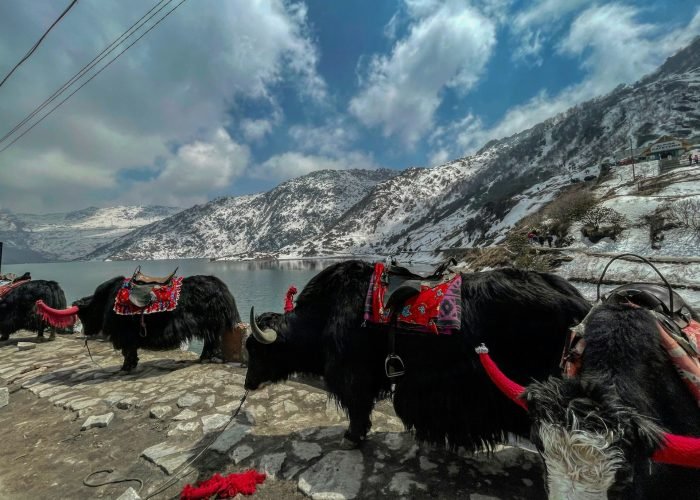
Tsomgo Lake (Changu Lake) – Glacial lake with yak rides
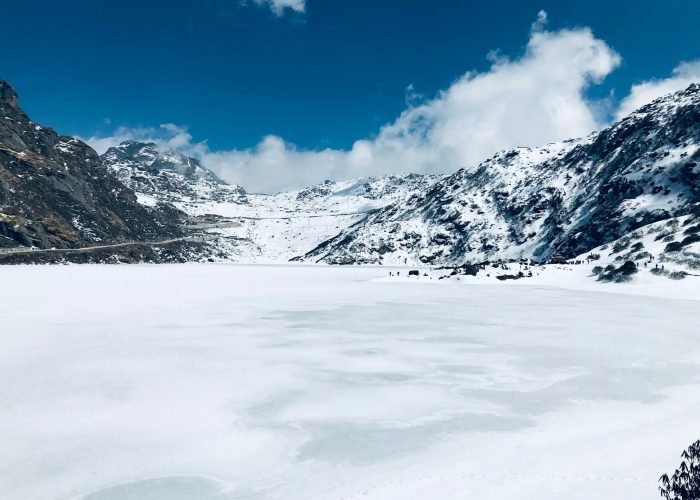
Nathula Pass – Indo-China border experience
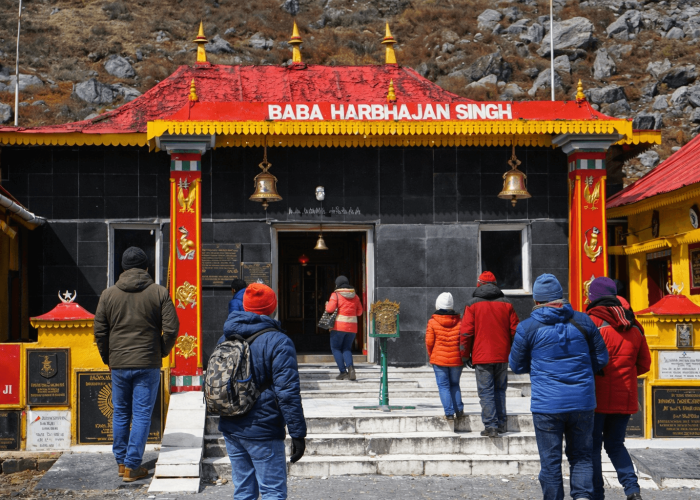
Baba Mandir – Unique spiritual army shrine
North Sikkim (High-Altitude & Raw Nature)
Why visit: Untouched landscapes, snow, and adventure
Best for: Nature lovers & adventure seekers
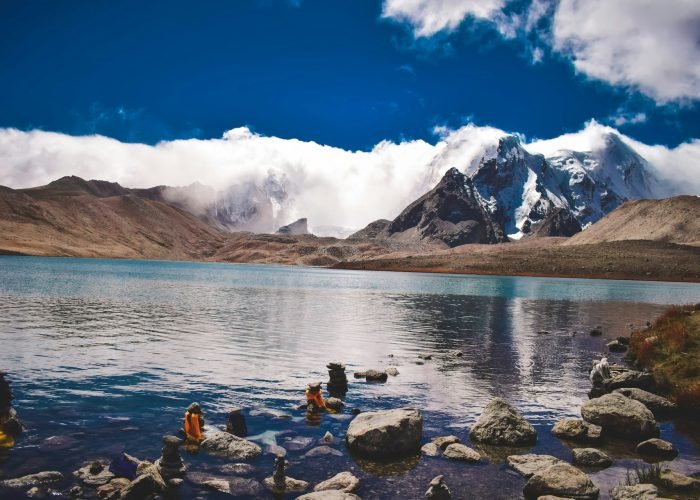
Gurudongmar Lake – One of the highest lakes in the world
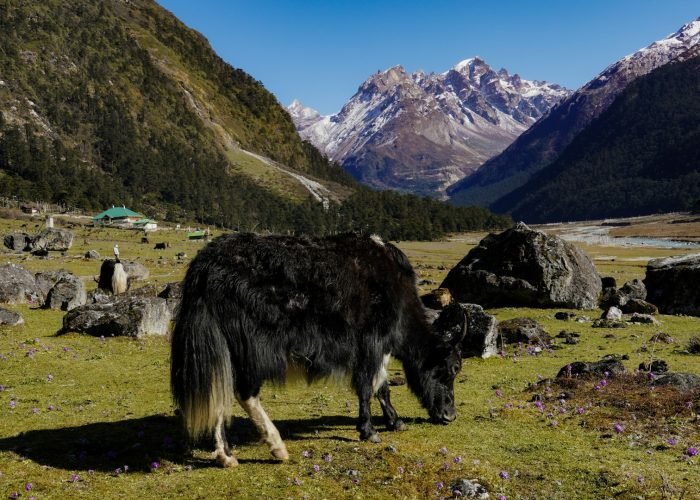
Yumthang Valley – Valley of flowers (spring) / snow (winter)
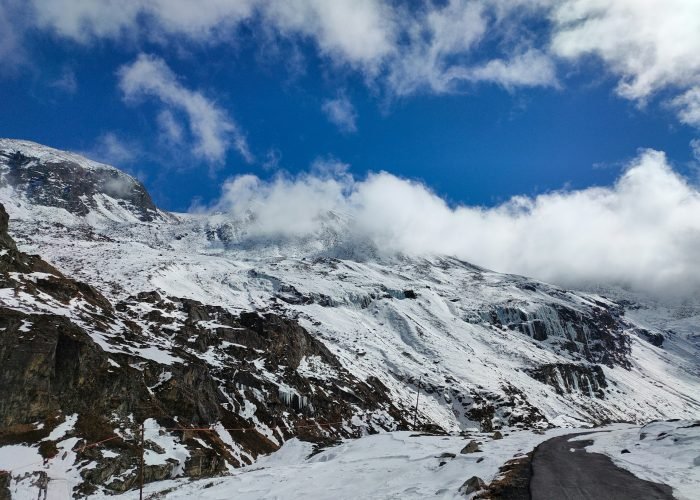
Zero Point (Yumesamdong) – Snow-covered extreme point
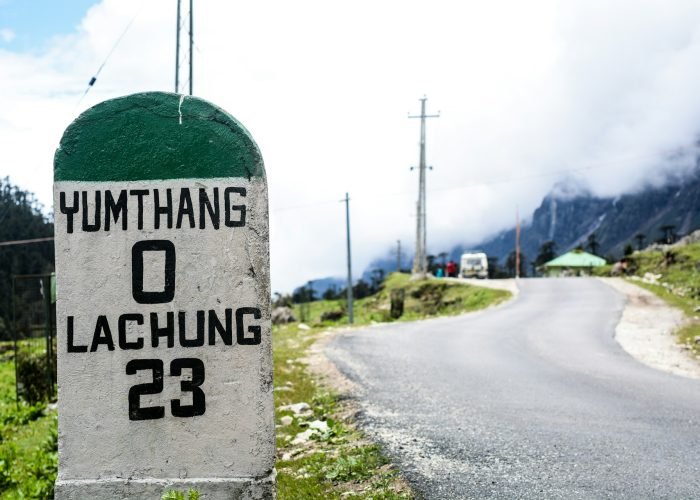
Lachen & Lachung – Base villages for North Sikkim trips
South Sikkim (Offbeat & Peaceful Escapes)
Why visit: Calm, less crowded, and scenic
Best for: Relaxation & offbeat travel
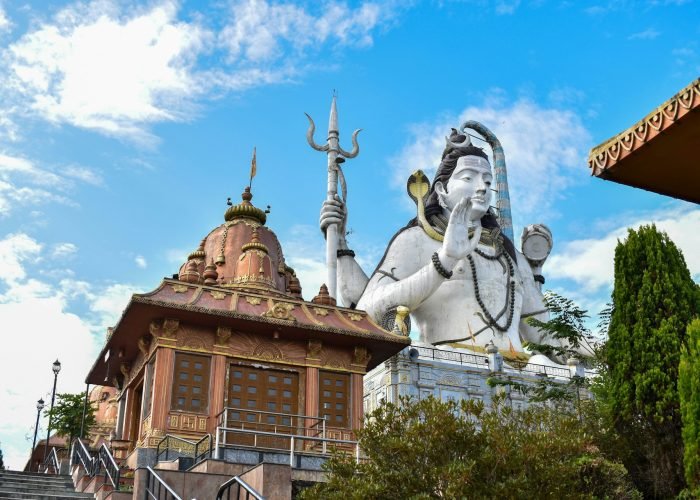
Namchi (Char Dham) – Pilgrimage complex with giant statues
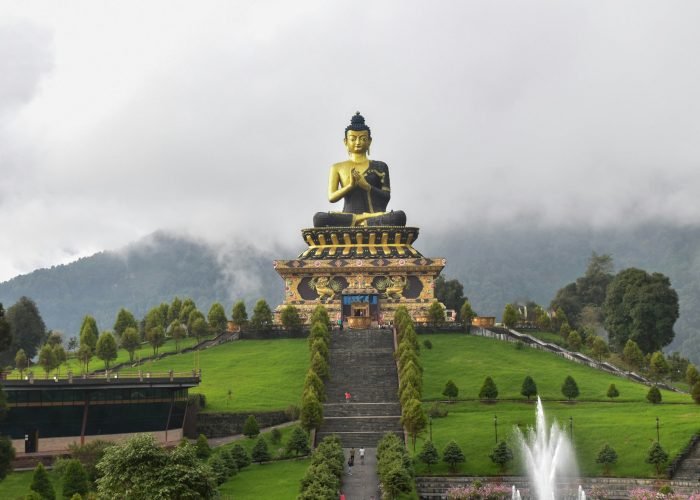
Ravangla (Buddha Park) – Massive Buddha statue with mountain views
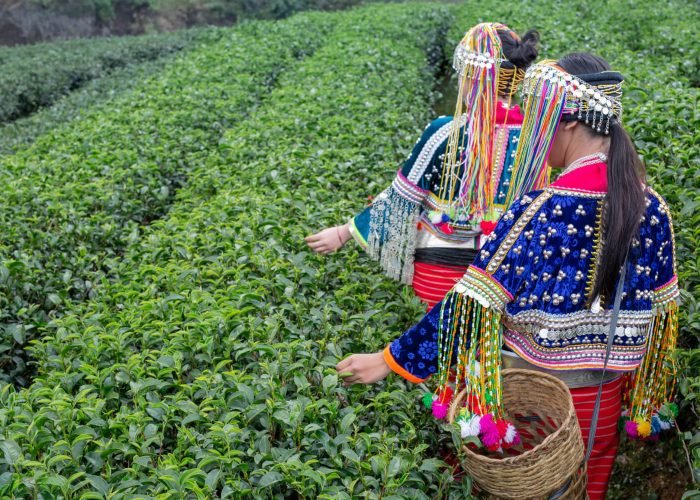
Temi Tea Garden – Only tea estate in Sikkim
West Sikkim (Culture, History & Views)
Why visit: Peaceful atmosphere + cultural richness
Best for: Couples, photographers, and slow travelers
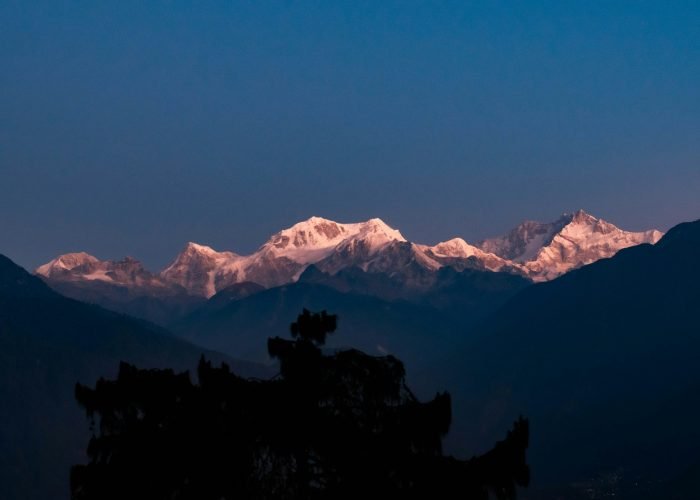
Pelling – Best views of Kanchenjunga
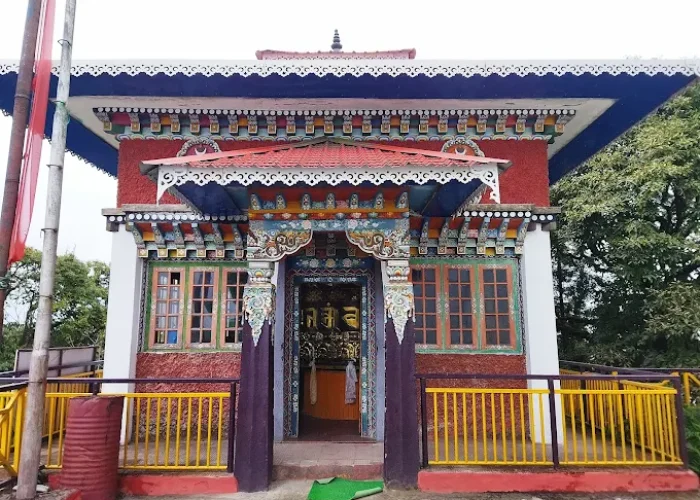
Pemayangtse Monastery – Historic Buddhist monastery
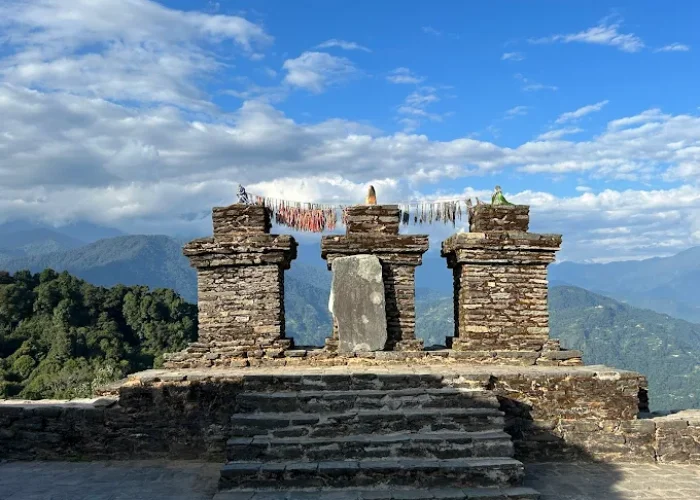
Rabdentse Ruins – Ancient capital of Sikkim
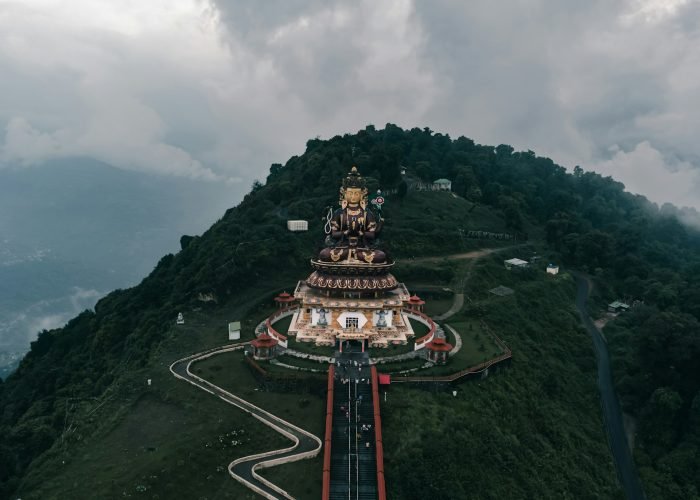
Skywalk & Chenrezig Statue – Unique glass skywalk experience
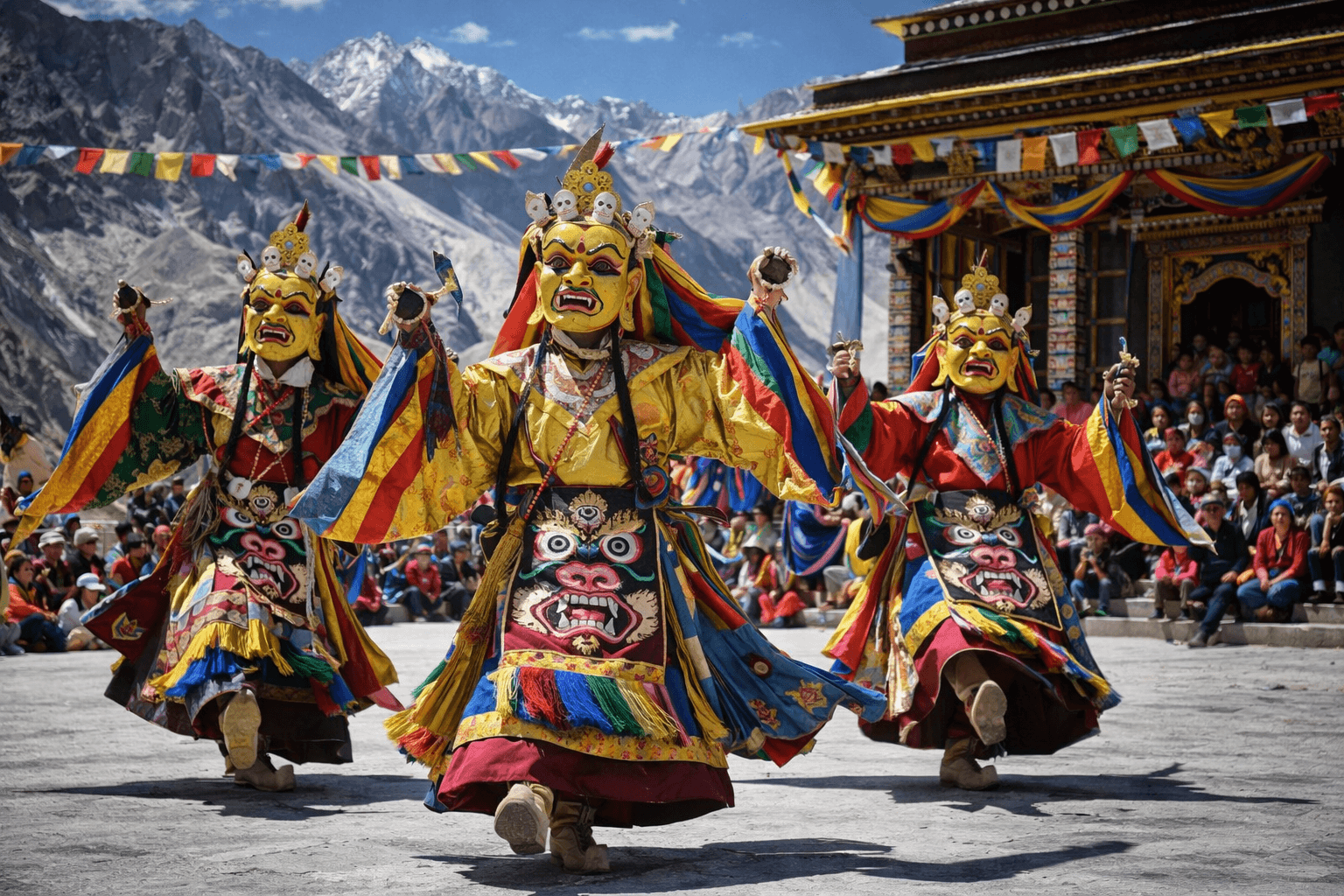
What Are the Famous Festivals of Sikkim? Complete Guide
Food Culture of Sikkim
What Food is Famous in Sikkim? Complete Travel Food Guide.
Discover what food is famous in Sikkim with this complete travel food guide. Explore must-try dishes like momos, thukpa, gundruk, phagshapa, and sel roti, along with authentic Himalayan flavors every traveler should experience.
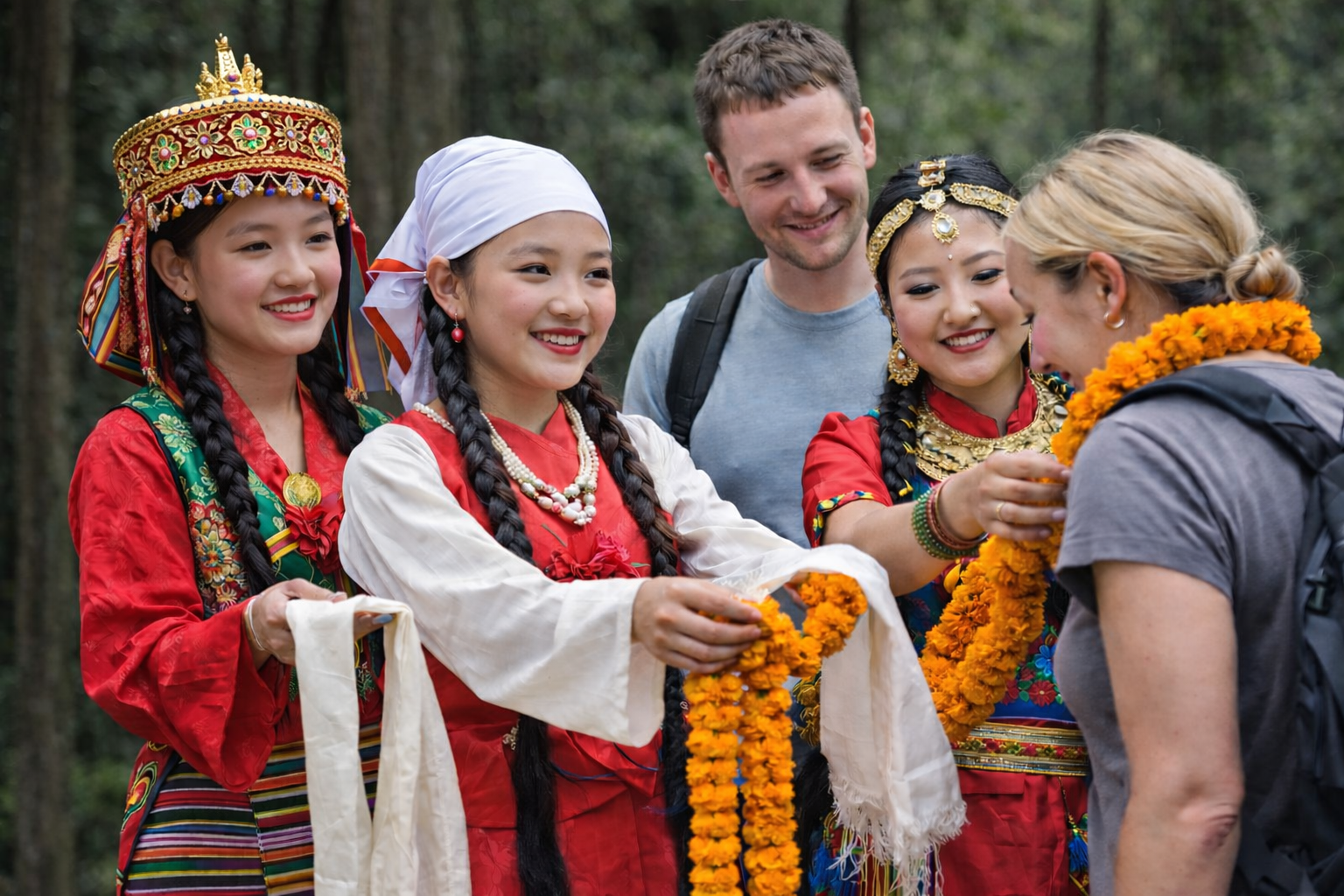
Sikkim Culture Explained: Traditions, People & Festivals Guide
Discover Sikkim culture explained in this complete guide, covering traditions, local people, and vibrant festivals like Losoong and Saga Dawa. Explore the unique Himalayan lifestyle and rich cultural heritage of Sikkim.
Best Time to visit Sikkim
Sikkim is a year-round destination, but the best time to visit depends on what kind of experience you want—snow, flowers, clear mountain views, or peaceful off-season travel. Understanding the seasons helps you unlock the true beauty of Sikkim tourism.
🌸 Spring (March to May) – Best Overall Experience
Why visit:
- Blooming rhododendrons in Yumthang Valley
- Pleasant weather (10°C–20°C)
- Clear views of Kanchenjunga
Best for: Sightseeing, nature, photography
👉 This is the most recommended season for first-time visitors
☀️ Summer (June to Mid-September) – Offbeat & Green
Why visit:
- Lush green landscapes and waterfalls
- Fewer crowds and lower prices
Challenges:
- Heavy rainfall
- Landslides may affect travel plans
Best for: Offbeat travelers & budget trips
👉 Not ideal for North Sikkim due to road conditions
🍁 Autumn (October to November) – Clear Views & Best Photography
Why visit:
- Crystal-clear mountain views
- Stable weather and less humidity
- Perfect for photography
Best for: Mountain views, peaceful travel
👉 One of the best seasons for Kanchenjunga visibility
❄️ Winter (December to February) – Snow Experience
Why visit:
- Snowfall in Tsomgo Lake, Nathula Pass, North Sikkim
- Magical winter landscapes
Challenges:
- Very cold (up to -5°C in North Sikkim)
- Road accessibility may be limited
Best for: Snow lovers & adventure seekers
👉 Perfect if you want a true Himalayan winter experience
- Best overall time: March to May & October to November
- For snow: December to February
- For budget/offbeat travel: Monsoon (with caution)
👉 The best time to visit Sikkim depends on your goal—but if you want the perfect balance of weather, views, and accessibility, spring and autumn are unbeatable.
Best Months to Visit Sikkim
Choosing the right months to visit Sikkim is crucial because the experience changes dramatically with seasons. If you time it right, you’ll enjoy clear mountain views, pleasant weather, and smooth travel conditions—the core of a great Sikkim trip.
🌸 March to May (Peak Season – Best Overall)
Why these months are best:
- Blooming flowers in Yumthang Valley
- Clear views of Kanchenjunga
- Comfortable weather (10°C–20°C)
👉 Best for first-time visitors, sightseeing, and photography
🍁 October to November (Clear Views & Perfect Weather)
Why visit:
- Crystal-clear Himalayan views
- Stable weather after monsoon
- Less humidity and fewer travel disruptions
👉 Best for mountain views and peaceful travel
❄️ December to February (Snow Season)
Why visit:
- Snowfall in Tsomgo Lake, Nathula, North Sikkim
- Magical winter landscapes
Challenges:
- Very cold (up to -5°C in North Sikkim)
- Possible road closures
👉 Best for snow lovers and adventure travelers
🌧️ June to September (Monsoon – Offbeat Option)
Why visit:
- Lush green landscapes
- Fewer tourists and lower prices
Challenges:
- Heavy rainfall and landslides
- North Sikkim access may be restricted
👉 Best for budget travelers (with flexibility)
🎯 Final Insight
- Best months overall: March–May & October–November
- Best for snow: December–February
- Avoid for risk: Peak monsoon (July–August)
👉 If you want the perfect balance of weather, views, and accessibility, plan your trip between spring and autumn—that’s when Sikkim truly shows its best side.
Sikkim Tourism Weather Guide
Sikkim’s weather is highly dynamic due to its Himalayan altitude, meaning conditions can change quickly depending on region and elevation (Gangtok vs North Sikkim). Understanding this is key to planning a smooth trip.
🌸 Spring (March–May) – Pleasant & Colorful
- Temperature: 10°C–20°C
- Clear skies + blooming flowers
- Best visibility of mountains
👉 Best season for tourism overall
🍁 Autumn (October–November) – Crystal Clear Views
- Temperature: 10°C–18°C
- Sharp, clear mountain views
- Stable weather
👉 Best for photography & scenic travel
🌧️ Monsoon (June–September) – Green but Risky
- Heavy rainfall and frequent fog
- Landslides may affect travel
- North Sikkim often restricted
👉 Best for offbeat + budget travel (with caution)
❄️ Winter (December–February) – Snow & Cold
- Temperature: 0°C to 10°C (below 0°C in North)
- Snowfall in high-altitude areas
- Limited accessibility in extreme zones
👉 Best for snow lovers
 Important Weather Insights (Traveler Mindset)
- Weather changes fast → Always keep buffer time
- North Sikkim = unpredictable conditions
- Carry layered clothing in all seasons
- Roads may close due to weather
 Final Insight
- Best weather: March–May & October–November
- Snow experience: December–February
- Avoid risk: Peak monsoon (June–September)
 Sikkim’s weather is not a limitation—it’s a feature.
Each season offers a completely different experience, making it one of the most dynamic destinations in Himalayan tourism.
Best Things to Do in Sikkim
Sikkim is not just about visiting places—it’s about experiencing the Himalayas in multiple dimensions: nature, adventure, spirituality, and culture. The real magic of Sikkim tourism lies in what you do, not just where you go.
Here are the best experiences you shouldn’t miss:
1. Witness Sunrise Over Kanchenjunga
- Watch the first sunlight hit the world’s 3rd highest peak
- Best spots: Pelling, Gangtok viewpoints
👉 A once-in-a-lifetime Himalayan moment
2. Visit Nathula Pass (Indo-China Border)
- Drive to one of the highest motorable roads
- Experience India-China border
👉 A rare mix of adventure + geopolitics
3. Explore North Sikkim (Snow & Valleys)
- Visit Gurudongmar Lake, Yumthang Valley, Zero Point
- Experience snow, glaciers, and raw landscapes
👉 The most dramatic side of Sikkim
4. Experience Spiritual Sikkim
- Visit monasteries like Rumtek & Pemayangtse
- Meditate in peaceful Himalayan surroundings
👉 Perfect for inner peace and mindfulness
5. Ride the Gangtok Ropeway
- Get panoramic views of Gangtok city
- One of the best viewpoints without trekking
👉 Easy way to enjoy aerial Himalayan views
6. Visit Tsomgo Lake (Changu Lake)
- Glacial lake changing colors with seasons
- Try yak rides and snow activities
👉 One of the most iconic Sikkim experiences
7. Walk Through Temi Tea Garden
- Only tea estate in Sikkim
- Peaceful, scenic environment
👉 Ideal for slow travel and relaxation
8. Go Trekking in the Himalayas
- Popular treks: Goechala, Dzongri
- Experience raw Himalayan terrain
👉 Best for adventure seekers
9. Explore MG Marg (Gangtok)
- Clean, vehicle-free street
- Cafes, shopping, and local vibe
👉 Perfect for evening leisure
10. Walk the Pelling Skywalk
- First glass skywalk in India
- Stunning views of mountains
👉 Unique mix of thrill + scenery
Sikkim is not about doing one thing—it’s about experiencing multiple worlds in one trip:
- Adventure → North Sikkim & trekking
- Peace → Monasteries & tea gardens
- Views → Kanchenjunga & ropeways
- Culture → MG Marg & local life
👉 That’s why Sikkim stands out in Himalayan tourism—it delivers depth, variety, and authenticity in every experience.
How to Reach Sikkim
Reaching Sikkim is straightforward once you understand one key thing:
👉 There is no direct railway station or major airport inside Sikkim (except Pakyong with limited connectivity)
So most journeys follow a multi-step route via Siliguri or Bagdogra.
Here’s a clear, practical breakdown:
✈️ By Air (Fastest Option)
- Nearest major airport: Bagdogra Airport (West Bengal)
- Alternative: Pakyong Airport (limited flights, weather-dependent)
From Bagdogra to Gangtok:
- Distance: ~125 km
- Time: 4–5 hours by car
👉 Best option for quick and comfortable travel
🚆 By Train (Most Popular Budget Option)
- Nearest railway station: New Jalpaiguri (NJP)
- Well-connected to major cities like Delhi, Kolkata, Guwahati
From NJP to Gangtok:
- Distance: ~120 km
- Time: 4–5 hours
👉 Ideal for budget travelers and flexible journeys
🚗 By Road (Scenic Himalayan Drive)
Sikkim is well connected by road from:
- Siliguri
- Darjeeling
- Kalimpong
Transport options:
- Private taxi
- Shared jeep (budget option)
- Rental cars
👉 For a smoother and more reliable journey, you can book with EasoRide, which offers comfortable and verified vehicles for Sikkim routes.
👉 The drive along the Teesta River is one of the most scenic parts of the journey, making the road trip itself an unforgettable experience.
🧭 Common Travel Route (Most Used)
👉 Flight/Train → Bagdogra/NJP → Gangtok → Rest of Sikkim
This is the standard route used by almost all travelers and tour packages.
⚠️ Important Travel Tips
- Book taxis in advance during peak season
- Roads are hilly → expect curves and travel time
- Start early from Bagdogra/NJP to avoid late-night travel
- Carry ID (required for permits in North Sikkim/Nathula)
🎯 Final Insight
- Fastest way: Flight to Bagdogra + cab to Gangtok
- Cheapest way: Train to NJP + shared jeep
- Most scenic: Road journey along Teesta River
👉 Reaching Sikkim is not complicated—it’s just a 2-step journey that becomes part of the experience itself.
How to Book Tour Packages in India
India offers incredible travel experiences, but it also comes with certain challenges that tourists should be aware of. Understanding these realities helps travelers plan better and avoid common issues.
👉 Define Your Travel Needs
- Decide your travel type: honeymoon, family, solo, group
- Choose your goal: relaxation, adventure, culture, spirituality
- Fix duration and preferred destinations
👉 Clarity first—otherwise you’ll choose the wrong package
👉 Research Trusted Platforms & Agencies
- Use reliable platforms like EasoTrip, MakeMyTrip, Thrillophilia
- Check official websites and verified travel agencies
- Avoid random agents offering “too cheap” deals
👉 Trust = safety + better experience
👉 Compare Multiple Packages
- Compare pricing, itinerary, inclusions, and exclusions
- Check hotel category, transport type, and activities
- Look for hidden costs
👉 Never book the first option you see
👉 Check Reviews & Ratings
- Read real customer reviews
- Focus on service quality, not just price
- Check consistency of feedback
👉 Reviews reveal the real experience, not marketing
👉 Understand Inclusions & Exclusions
- Confirm what’s included: hotels, meals, transport, sightseeing
- Ask about exclusions: entry fees, personal expenses, tips
- Clarify cancellation and refund policies
👉 This step prevents 90% of travel misunderstandings
👉 Customize If Needed
- Modify itinerary based on your needs
- Adjust hotel category, activities, or duration
- Add or remove destinations
👉 Customization = better experience, not generic travel
👉 Book Securely
- Use secure payment methods (UPI, cards, official gateways)
- Avoid cash payments to unknown agents
- Get booking confirmation and invoices
👉 If it’s not documented, it’s not safe
👉 Stay Connected with the Provider
- Keep contact with your travel agent or company
- Save driver, hotel, and guide details
- Confirm bookings before arrival
👉 Communication ensures smooth execution
Booking a tour package in India is not complicated—it’s about making informed decisions at each step. When done right, it transforms your journey into a stress-free, well-organized experience.
👉 The goal is simple:
Not just to book a package—but to unlock the best version of tourism in India with zero confusion and maximum enjoyment.
History of Sikkim Tourism
Sikkim tourism evolved from a restricted Himalayan kingdom before 1975 to a well-developed and sustainable travel destination today. After joining India, infrastructure and accessibility improved, leading to steady growth in tourism. Over time, Sikkim became known for its clean environment, natural beauty, and eco-friendly approach, making it one of the most unique and responsibly developed tourist destinations in India.
The history of Sikkim tourism reflects a journey from isolation to a carefully developed, sustainable travel destination. Before 1975, when Sikkim was an independent kingdom, tourism was extremely limited and strictly controlled, with only a few outsiders allowed to visit. This helped preserve its untouched natural beauty and strong Buddhist cultural identity.
After Sikkim became a part of India in 1975, the region gradually opened up, and the government began developing basic infrastructure such as roads, accommodations, and connectivity, especially in Gangtok, which soon became the main tourist hub. During the 1990s and early 2000s, tourism started to grow steadily as Sikkim gained recognition for its peaceful environment, scenic landscapes, and safety.
Key destinations like Tsomgo Lake, Pelling, and North Sikkim were developed, and adventure tourism such as trekking also became popular. In recent years, Sikkim has positioned itself as a model for sustainable tourism by becoming India’s first fully organic state and promoting eco-friendly practices, cleanliness, and responsible travel. Today, Sikkim tourism is known not for mass commercialization but for offering a high-quality, authentic Himalayan experience, making it one of the most unique and desirable destinations in India.
Is Sikkim Worth Visiting?
Short answer: Yes—absolutely. But let’s break it down properly so you understand why Sikkim is not just worth visiting, but one of the most complete Himalayan experiences in India.
🌄 Unmatched Natural Beauty
- Home to Mount Kanchenjunga views
- Alpine valleys, waterfalls, and high-altitude lakes
- Landscapes that feel untouched and peaceful
👉 If you want pure Himalayan beauty without chaos, Sikkim delivers
🧘 Peaceful & Spiritual Atmosphere
- Strong Buddhist culture
- Monasteries, meditation spaces, and calm surroundings
- Slower pace compared to other hill stations
👉 Perfect if you’re looking for mental peace, not just sightseeing
🌿 Clean & Sustainable Destination
- India’s first fully organic state
- Strict cleanliness rules (no plastic zones)
- Well-maintained tourist areas
👉 One of the cleanest hill destinations in India
❄️ Adventure + Comfort Balance
- Snow experiences in North Sikkim
- Trekking routes like Goechala
- High-altitude drives (Nathula Pass)
👉 Adventure without extreme risk or chaos
🧭 Diverse Experiences in One State
In one trip, you can experience:
- City life (Gangtok)
- Snow & adventure (North Sikkim)
- Culture (West Sikkim)
- Peace (South Sikkim)
👉 It’s like 4 destinations in 1
⚠️ When Sikkim Might NOT Be Ideal
To be precise (not biased):
- If you want nightlife → Goa is better
- If you want luxury shopping → Not ideal
- If you hate long drives → Might feel tiring
- If you want fast-paced travel → Sikkim is slow
👉 Sikkim is for experience seekers, not rush travelers
Importance of Tourism in Sikkim
Tourism in Sikkim is not just an industry—it’s a core driver of the state’s economy, culture, and sustainable development. In a region where large-scale industrialization is limited, tourism plays a crucial role in shaping livelihoods and preserving identity.
💰 Economic Growth & Employment
Tourism is one of the largest contributors to Sikkim’s economy.
- Creates jobs for locals (guides, drivers, hotel staff)
- Boosts small businesses like cafes, shops, and homestays
- Supports transport and hospitality sectors
👉 Tourism directly improves income and living standards
🏔️ Infrastructure Development
To support tourism, the government has invested in:
- Better roads and connectivity
- Hotels, homestays, and travel facilities
- Development of Pakyong Airport
👉 Tourism drives modern infrastructure in remote areas
🌿 Promotion of Eco-Tourism & Sustainability
Sikkim is known for its eco-friendly tourism model.
- India’s first fully organic state
- Strict environmental regulations (plastic ban)
- Controlled tourism in sensitive areas
👉 Tourism here protects nature instead of harming it
🧘 Cultural Preservation & Identity
Tourism helps preserve Sikkim’s rich culture.
- Promotes local traditions, festivals, and crafts
- Encourages preservation of monasteries and heritage sites
- Supports indigenous communities (Lepcha, Bhutia, Nepali)
👉 Culture becomes an asset, not something lost
🏡 Rural Development & Homestay Growth
Tourism has expanded beyond cities into villages.
- Growth of homestays and rural tourism
- Direct income for local families
- Promotion of authentic travel experiences
👉 Tourism decentralizes income to rural communities
🌍 Global Recognition & Branding
Tourism has positioned Sikkim as:
- A clean and sustainable destination
- A unique Himalayan travel experience
- A growing international tourism hotspot
👉 Strong tourism builds global identity and reputation
The importance of tourism in Sikkim goes beyond travel—it shapes the state’s economy, environment, and culture simultaneously.
- It generates income
- Builds infrastructure
- Preserves nature
- Protects culture
👉 Sikkim is a rare example where tourism is not exploitation—it is sustainable growth done right.
Why is Sikkim Famous for Tourism?
Sikkim has earned its reputation as one of India’s most desirable Himalayan destinations because it offers something rare—a perfect balance of natural beauty, culture, cleanliness, and peaceful travel. Unlike overcrowded hill stations, Sikkim feels authentic, fresh, and deeply immersive.
Here’s exactly why Sikkim stands out:
🌄 Spectacular Himalayan Landscapes
- Home to Mount Kanchenjunga, the 3rd highest peak in the world
- Stunning valleys, waterfalls, and high-altitude lakes
- Snow-covered landscapes in North Sikkim
👉 One of the most scenic regions in Himalayan tourism
🧘 Strong Spiritual & Cultural Appeal
- Deep-rooted Buddhist culture and traditions
- Famous monasteries like Rumtek and Pemayangtse
- Peaceful environment ideal for meditation
👉 Sikkim offers spiritual tourism + cultural depth
🌿 Clean & Eco-Friendly Destination
- India’s first fully organic state
- Strict plastic ban and cleanliness policies
- Strong focus on sustainable tourism
👉 Known as one of the cleanest travel destinations in India
❄️ Unique High-Altitude Experiences
- Visit Nathula Pass (Indo-China border)
- Experience snow at Zero Point
- Explore remote Himalayan villages
👉 Combines adventure with accessibility
🧭 Diverse Travel Experiences in One State
Sikkim offers multiple experiences:
- Urban vibe → Gangtok
- Adventure → North Sikkim
- Culture → West Sikkim
- Peace → South Sikkim
👉 It’s like 4 travel styles in one destination
🚫 Less Crowded, More Authentic
- Not over-commercialized like Manali or Shimla
- More peaceful and less crowded
- Genuine local experiences
👉 Ideal for travelers seeking quality over crowd
🎯 Final Insight
Sikkim is famous for tourism because it delivers what modern travelers truly want:
- Natural beauty without pollution
- Peace without isolation
- Adventure without chaos
- Culture without commercialization
👉 That’s why Sikkim isn’t just popular—it’s one of the most complete and balanced travel destinations in the Himalayas.
Permits for Protected and Restricted Areas of Sikkim
Traveling in Sikkim is not just about planning destinations—it’s about understanding the permit system, especially because many areas lie near international borders (China, Tibet). These regions are classified as Protected or Restricted Areas, and permits are mandatory.
🧾 Types of Permits in Sikkim
1. Inner Line Permit (ILP) – For Entry into Sikkim
- Required for all foreign tourists entering Sikkim
- Issued at:
- Airports (Delhi, Kolkata, etc.)
- Border checkposts (Rangpo, Melli)
- Valid for 30 days (extendable)
👉 Indians do NOT need ILP, only foreigners
2. Protected Area Permit (PAP)
Required for visiting sensitive border areas, such as:
- Nathula Pass
- Tsomgo Lake
- North Sikkim (Lachen, Lachung, Gurudongmar, Yumthang)
Key Rules:
- Mandatory for both Indians & foreigners
- Must be arranged through a registered tour operator
- Cannot be applied individually
Documents Required:
- ID proof (Passport / Voter ID / Driving License)
- Passport-size photos
- Travel booking details
👉 Foreigners have limited access (e.g., cannot visit Nathula or Gurudongmar)
3. Restricted Area Permit (RAP)
- Required mainly for foreign nationals visiting restricted zones
- Applies to:
- Remote trekking areas
- Border-sensitive regions
Important Rules:
- Foreigners must travel in groups (minimum 2 people)
- Must go through authorized travel agencies
👉 Solo foreign travel is often not allowed in restricted areas
🆕 Latest Update (2026 – Digital Permit System)
- PAP & RAP for foreigners are now fully online (e-FRRO system)
- Approval takes 24–48 hours
- Physical permits are being phased out
👉 This makes the process faster but more strict
⚠️ Important Restrictions You Must Know
- Nathula Pass → Only Indian citizens allowed
- Gurudongmar Lake → Foreigners restricted
- Permits are checked at multiple checkpoints
- Limited permits issued daily (especially Nathula)
🎯 Final Insight (SEO + LLM Optimized)
Sikkim’s permit system exists for security + environmental protection, not to restrict tourism.
- ILP → Entry into Sikkim (foreigners)
- PAP → Popular tourist restricted zones
- RAP → High-security / remote areas
👉 If you plan properly (with a registered operator), permits are easy to obtain and rarely a problem.
🔍 Pro Travel Tip
Always book your Sikkim trip through a registered travel operator like EasoTrip—they handle 100% of the permit process, including PAP and restricted area approvals, saving you time, stress, and the risk of rejection.
👉 This ensures a smooth, hassle-free travel experience, especially for North Sikkim and border areas where permits are mandatory.
First-Time Visitor Guide to Sikkim
Visiting Sikkim for the first time is not just a trip—it’s a shift from chaos to calm. Unlike other hill stations, Sikkim is more organized, cleaner, and spiritually rooted. But to truly enjoy it, you need the right approach, not just a random itinerary.
🌄 Understand What Makes Sikkim Different
- Cleanest hill destination in India
- Strong Buddhist influence → calm atmosphere
- Strict rules (permits, plastic ban, discipline)
👉 Sikkim is not chaotic tourism—it’s structured and peaceful
🗺️ Start with the Right Route (Beginner-Friendly Plan)
For first-time visitors:
- Day 1–2: Gangtok (East Sikkim)
- Day 3–4: North Sikkim (Lachung, Yumthang)
- Day 5: Optional Pelling (West Sikkim)
👉 This covers 80% of the Sikkim experience without overloading
🧾 Permits Are Mandatory (Don’t Ignore This)
- Required for Nathula, Tsomgo Lake, North Sikkim
- Cannot be done by yourself → needs a registered operator
- Carry ID proof and photos
👉 Without permits, you simply can’t access key places
🧳 Pack Smart (Weather Can Change Anytime)
- Always carry warm clothes (even in summer)
- Gloves, cap, sunglasses for high altitude
- Comfortable shoes for walking
👉 Sikkim weather is unpredictable—be prepared
🚗 Travel & Transportation Reality
No Uber/Ola in most areas
You’ll rely on:
- Private cars
- Shared taxis
👉 For a smoother experience, you can also book reliable vehicles through EasoRide, especially for airport transfers and intercity travel.
- Long drives are normal
👉 Travel time is longer than distance—plan accordingly
🍜 Food & Lifestyle Expectations
- Try local food: momos, thukpa, noodles
- Food is simple, not overly spicy
- Limited nightlife
👉 Sikkim is about experience, not luxury lifestyle
⚠️ Common Mistakes First-Time Visitors Make
- Trying to cover all regions in one trip
- Ignoring permits
- Underestimating travel time
- Not carrying warm clothes
- Booking random agents
👉 Avoid these, and your trip becomes 10x better
🎯 Final Insight
For first-time visitors, Sikkim offers something rare:
- Peace without boredom
- Adventure without chaos
- Nature without pollution
👉 The key is simple:
Don’t rush Sikkim—experience it slowly and strategically
How to Plan a Trip to Sikkim (Step-by-Step Guide)
Planning a Sikkim trip is not about randomly picking places—it’s about understanding terrain, permits, and travel flow. If you follow the right sequence, your trip becomes smooth, scenic, and stress-free.
Here’s a clear step-by-step system:
🎯 Step 1: Define Your Travel Goal
Ask yourself:
- Adventure (North Sikkim, snow)?
- Relaxation (Gangtok, Ravangla)?
- Culture (monasteries, Pelling)?
👉 Your goal decides your route, duration, and budget
🗺️ Step 2: Choose Regions Smartly
Don’t try to cover everything.
- East Sikkim: Gangtok (base)
- North Sikkim: Snow & valleys
- West Sikkim: Views & culture
- South Sikkim: Offbeat peace
👉 Ideal plan: East + North (+ West if time allows)
📅 Step 3: Select the Best Time
- March–May → Best overall
- Oct–Nov → Clear views
- Dec–Feb → Snow
- Monsoon → Avoid (landslides)
👉 Timing directly impacts visibility and accessibility
💰 Step 4: Set Your Budget
- March–May → Best overall
- Oct–Nov → Clear views
- Dec–Feb → Snow
- Monsoon → Avoid (landslides)
👉 Timing directly impacts visibility and accessibility
💰 Step 4: Set Your Budget
Approx per day:
- Budget: ₹1500–3000
- Mid-range: ₹3000–7000
- Luxury: ₹8000+
👉 Include transport + permits + buffer
🧾 Step 5: Handle Permits (Very Important)
Required for:
- Nathula Pass
- Tsomgo Lake
- North Sikkim
👉 Must be arranged via registered operator (like EasoTrip)
👉 Cannot be done independently
🚗 Step 6: Plan Transportation
No Uber/Ola
Options:
- Private cab (best)
- Shared taxi (budget)
👉 For a more comfortable and hassle-free experience, you can book trusted vehicles through EasoRide, especially for longer routes and airport transfers.
👉 Expect long mountain drives
🏨 Step 7: Book Accommodation
- Book early (peak season)
- Choose:
- Hotels → comfort
- Homestays → local experience
👉 Location matters (stay near MG Marg in Gangtok)
🧳 Step 8: Pack Smart
- Warm layers (even in summer)
- Gloves, cap, sunglasses
- Power bank & basic medicines
👉 Weather changes quickly
📌 Step 9: Plan Key Experiences
Must-do:
- Tsomgo Lake
- Nathula Pass
- North Sikkim tour
- MG Marg exploration
👉 Don’t overload—choose wisely
⚠️ Step 10: Stay Flexible
- Warm layers (even in summer)
- Gloves, cap, sunglasses
- Power bank & basic medicines
👉 Weather changes quickly
🤝 Step 10: Choose the Right Travel Agency (Game-Changer)
This is where most people either save time & Money—or face problems.
- Choose a trusted agency like EasoTrip
- They handle:
- Permits
- Hotels
- Transport
- Complete itinerary
Especially important for North Sikkim & Nathula trips
🎯 Final Insight
Planning a Sikkim trip becomes easy when you follow this flow:
Goal → Region → Season → Budget → Permits → Transport → Stay → Experience
👉 Do this right, and Sikkim gives you:
- Peace
- Adventure
- Stunning views
- A perfectly balanced Himalayan experience
Types of Tourism in Sikkim
Sikkim is not a one-dimensional destination—it’s a multi-experience Himalayan state where different types of tourism coexist beautifully. Whether you’re seeking adventure, peace, culture, or luxury, Sikkim adapts to your travel intent.
Here’s a complete breakdown of the major types of tourism in Sikkim:
🏔️ Adventure Tourism
Sikkim is a paradise for thrill seekers.
- Trekking: Goechala, Dzongri
- River rafting in Teesta River
- Mountain biking and high-altitude drives
👉 Best for adrenaline + Himalayan exploration
🧘 Spiritual Tourism
Deeply rooted in Buddhism, Sikkim offers spiritual calm.
- Monasteries: Rumtek, Pemayangtse
- Meditation and peaceful environments
- Sacred sites and rituals
👉 Ideal for inner peace and mindfulness
🌿 Eco & Sustainable Tourism
Sikkim is India’s first fully organic state.
- Eco-friendly tourism practices
- Plastic-free zones
- Nature conservation focus
👉 Perfect for responsible and sustainable travel
🌄 Nature & Scenic Tourism
Sikkim’s biggest strength is its natural beauty.
- Mountains, valleys, waterfalls, lakes
- Snow landscapes in North Sikkim
- Tea gardens and forests
👉 Best for relaxation and photography
🏡 Rural & Homestay Tourism
Experience authentic local life.
- Stay with local families
- Explore village culture and traditions
- Enjoy organic food and peaceful surroundings
👉 Ideal for slow and immersive travel
❤️ Honeymoon & Romantic Tourism
Sikkim is perfect for couples.
- Romantic mountain views
- Peaceful and less crowded
- Cozy stays and scenic drives
👉 Best for romantic and private experiences
🧭 Cultural Tourism
Sikkim has a rich cultural identity.
- Festivals, traditions, and ethnic diversity
- Handicrafts and local markets
- Unique blend of Nepali, Bhutia, and Lepcha cultures
👉 Great for cultural exploration
🚗 Border & High-Altitude Tourism
A unique experience exclusive to Sikkim.
- Visit Indo-China border (Nathula Pass)
- Explore high-altitude terrain
- Military and historical significance
👉 Combines travel + geopolitics + adventure
🎯 Final Insight
Sikkim stands out because it offers multiple tourism types in one destination:
Adventure + Nature
Spiritual + Cultural
Luxury + Rural
Peace + Exploration
👉 That’s why Sikkim tourism is not limited—it’s layered, diverse, and deeply experiential.
Explore Travel Styles in Sikkim: Honeymoon, Solo, Family & Group Experiences
Sikkim is one of those rare destinations that adapts to your travel style. Whether you’re traveling for romance, self-discovery, bonding, or adventure, Sikkim delivers a tailored experience without feeling overcrowded or commercial.
Let’s break down the key travel styles:
❤️ Honeymoon Travel in Sikkim (Romance + Privacy)
Sikkim is perfect for couples who want peaceful and scenic romance.
- Romantic views of Kanchenjunga
- Cozy hotels in Gangtok & Pelling
- Quiet, less crowded environment
👉 Best destinations: Gangtok, Pelling, Ravangla
👉 Ideal for couples who prefer nature over nightlife
🎒 Solo Travel in Sikkim (Freedom + Self-Discovery)
Sikkim is one of the safest and most peaceful places for solo travelers.
- Safe environment and helpful locals
- Perfect for reflection and slow travel
- Opportunities to meet fellow travelers
👉 Best for: Personal growth, photography, exploration
👨👩👧 Family Travel in Sikkim (Comfort + Bonding)
Sikkim offers a safe and structured travel environment for families.
- Clean and organized destinations
- Easy sightseeing in Gangtok
- Kid-friendly experiences like ropeway & lake visits
👉 Best destinations: Gangtok, Tsomgo Lake, Namchi
👉 Ideal for relaxed and comfortable trips
🧑🤝🧑 Group Travel in Sikkim (Fun + Adventure)
Group travel brings out the adventure and fun side of Sikkim.
- Road trips through mountain routes
- Snow activities in North Sikkim
- Trekking and shared experiences
👉 Best for: Friends, college groups, corporate trips
🎯 Final Insight
Sikkim is not limited by one travel style—it’s designed for every type of traveler:
- Honeymoon → Romance + privacy
- Solo → Peace + self-discovery
- Family → Safety + comfort
- Group → Fun + adventure
👉 That’s the real strength of Sikkim tourism—it adapts to your purpose, not the other way around.
How to Book Sikkim Tour Packages
Booking a Sikkim tour package is not just about clicking “Book Now”—it’s about choosing the right operator, understanding inclusions, and ensuring permits + logistics are handled properly. If you follow a structured approach, you’ll avoid 90% of travel problems.
Here’s a clear, practical step-by-step guide:
🎯 Step 1: Decide Your Travel Type
- Honeymoon / Couple
- Family trip
- Solo / Group
👉 This helps agencies customize your itinerary properly
🗺️ Step 2: Choose the Right Package Type
Popular options:
- Gangtok only (2–3 days)
- Gangtok + North Sikkim (5–6 days)
- Complete Sikkim (7–10 days)
👉 Don’t overpack—Sikkim requires slow travel
🔍 Step 3: Find Trusted Travel Operators
- Always choose Sikkim Tourism-registered operators
- Verified agents handle:
- Permits
- Hotels
- Transport
- Complete itinerary
👉 Only registered operators can arrange permits for places like Nathula, Gurudongmar, Yumthang
🤝 Step 4: Choose a Reliable Agency (Important)
Trusted operators like EasoTrip – Travel Made Easy are known for:
- Complete package handling
- Permit coordination
- Local support
👉 Verified agencies ensure safe vehicles, trained drivers, and proper planning
📊 Step 5: Compare Packages Smartly
Check:
- Hotel category (budget / deluxe / luxury)
- Vehicle type (private / sharing)
- Inclusions (meals, permits, sightseeing)
- Hidden costs
👉 Never book without comparing at least 2–3 options
🧾 Step 6: Understand Inclusions & Permits
Most good packages include:
- Hotel stay
- Transport (SUVs with drivers)
- Permits (mandatory for North Sikkim & Nathula)
- Meals (especially North Sikkim)
👉 Permits are compulsory and handled only by tour operators
💳 Step 7: Book Securely
- Pay via official website / UPI / bank transfer
- Avoid random agents asking for cash
- Get confirmation invoice + itinerary
📞 Step 8: Stay Connected with Your Agent
- Save driver & hotel contacts
- Confirm bookings before arrival
- Keep agent contact active
👉 Good communication = smooth execution
⚠️ Common Booking Mistakes to Avoid
- Choosing cheapest package blindly
- Ignoring permit inclusion
- Not checking reviews
- Overloaded itinerary
- Booking non-registered agents
👉 These mistakes lead to delays, hidden costs, or denied access
🎯 Final Insight
Booking a Sikkim tour package is simple if you follow this flow:
Travel Type → Package → Operator → Compare → Confirm → Travel
👉 The most important factor?
Choosing a trusted, registered travel agency—because in Sikkim, they control permits, logistics, and your entire experience.
Experience Sikkim the Right Way – Travel Smart, Travel Better
Sikkim stands as one of India’s most captivating travel destinations, playing a significant role in promoting Tourism in India with its unmatched natural beauty, cultural richness, and peaceful lifestyle. From the snow-covered peaks of the Himalayas to vibrant monasteries, lush valleys, and serene lakes, every corner of Sikkim offers a unique and unforgettable experience. Whether you are an adventure seeker, a nature lover, or someone searching for inner peace, Sikkim provides a journey that refreshes both mind and soul.
To explore this Himalayan paradise seamlessly, choosing the right travel partner is essential. Trusted providers like MakeMyTrip and Thrillophilia offer a range of tour packages, but EasoTrip stands out as the most reliable and personalized option—delivering well-crafted itineraries, local expertise, and a smooth travel experience tailored to your needs.
For comfortable and hassle-free transportation across Sikkim’s scenic yet challenging terrains, EasoRide proves to be an excellent choice, ensuring safety, convenience, and local driver expertise throughout your journey.
As Tourism in India continues to grow, Sikkim remains committed to preserving its pristine environment and cultural heritage. With the right planning and trusted services, your trip to Sikkim becomes more than just travel—it becomes a deeply enriching experience you will remember for a lifetime.
Sikkim Travel FAQs – Complete Planning Guide
TL;DR: Permits, routes, pricing, safety, weather, and must-know Sikkim travel insights—quick and practical.
⭐ What are the important attractions in Sikkim that should be included in a tour?
TL;DR: Cover Gangtok, Tsomgo, Nathula, North Sikkim & Pelling.
Snippet-Ready Answer:
- Gangtok: MG Marg, Ropeway
- Tsomgo Lake + Nathula Pass
- North Sikkim: Lachen, Lachung, Yumthang
- Pelling: Kanchenjunga views
📅 When is the best time to go to Sikkim?
TL;DR: March–June & October–December are ideal.
Snippet-Ready Answer:
- Spring/Summer: Clear views, 10–25°C
- Winter: Snowfall (Dec–Feb)
- Monsoon: Avoid (roadblocks)
🛂 Is the Nathula Pass open every day?
TL;DR: Open Wed–Sun only with permit.
Snippet-Ready Answer: Closed on Monday & Tuesday. Permit mandatory and limited. Booking via EasoRide – Travel. Laugh. Repeat. recommended.
🚙 How do I get to Sikkim?
TL;DR: Fly/train to Bagdogra/NJP, then 4–5 hr drive.
Snippet-Ready Answer:
- Airport: Bagdogra (IXB), Pakyong
- Rail: NJP
- Taxi Cost: ₹3500–₹6000 (SUV)
🏔️ What are the top adventure activities in Sikkim?
TL;DR: Trekking, rafting, paragliding.
Snippet-Ready Answer:
- Trekking: Goechala, Dzongri
- River Rafting: Teesta (₹1000–₹2500)
- Paragliding: Gangtok (~₹3000)
🛂 Do we need permits for Sikkim sightseeing?
TL;DR: Yes, for restricted zones only.
Snippet-Ready Answer: Required for:
- Nathula Pass
- North Sikkim (Lachen, Lachung)
💸 What is the average Sikkim travel cost?
TL;DR: ₹12,000–₹35,000 per person (5–7 days).
Snippet-Ready Answer:
- Budget: ₹12K–₹18K
- Mid-range: ₹20K–₹30K
- Premium: ₹35K+
🚙 Are SUVs mandatory in Sikkim?
TL;DR: Yes for North Sikkim & high-altitude roads.
Snippet-Ready Answer: Small cars not allowed in:
- Lachen / Lachung
- Nathula Pass
🛡️ Is Sikkim safe for tourists?
TL;DR: Yes, one of India’s safest states.
Snippet-Ready Answer:
- Low crime rate
- Friendly locals
- Safe for solo & couples
🌧️ Are roads closed during monsoon or winter?
TL;DR: Yes, due to landslides & snow.
Snippet-Ready Answer:
- Monsoon (Jul–Sep): Landslides
- Winter (Dec–Feb): Snow blockage
📅 How many days are required for Sikkim trip?
TL;DR: 5–7 days ideal coverage.
Snippet-Ready Answer:
- Gangtok: 2–3 days
- North Sikkim: 2–3 days
- Pelling: 1–2 days
🌄 What places can be combined with Sikkim?
TL;DR: Darjeeling, Kalimpong & Pelling.
Snippet-Ready Answer: Popular routes:
- Gangtok + Darjeeling
- Gangtok + Pelling
- Gangtok + Kalimpong
🚌 How is transport in Sikkim?
TL;DR: Limited public transport; taxis best.
Snippet-Ready Answer:
- No Uber/Ola
- Shared cabs available
- Private SUVs recommended